
The Challenge
For many children, the path to adulthood is rough. Right now, more than 435,000 children are growing up in foster homes; 120,000 have been permanently separated from their parents and are waiting for adoption; 20,000 will turn 18 and “age out” without family support. We have a responsibility to do better. Preserving and strengthening families can allow children to grow up safely in their own homes without the trauma of family separation, and effective services can be the bridge to adulthood for young people who leave foster care alone.
Our Approach
Decades of experience and research have taught us this: a family does a better job of raising a child than the state. We provide and advocate for innovative, evidence-based, family-focused services designed to bring help and hope to children and their families, as well as proven services for young adults turning 18 in foster care.
1 in 20
children and youth in the U.S. are in state foster care systems
120,000+
are waiting for a new family through adoption
Our Impact
We’re changing the lives of thousands of children, families and young people every year through our direct services and partnerships with organizations and agencies around the country. Our work is to transform children’s systems, deepen our impact and deliver better results one child and one family at a time.
States
Locations
%
success rate
- Youth Villages States
- Partnering States
- Both Youth Villages and Partnering States
Ambition
Stories of Hope
Helping children and families live successfully
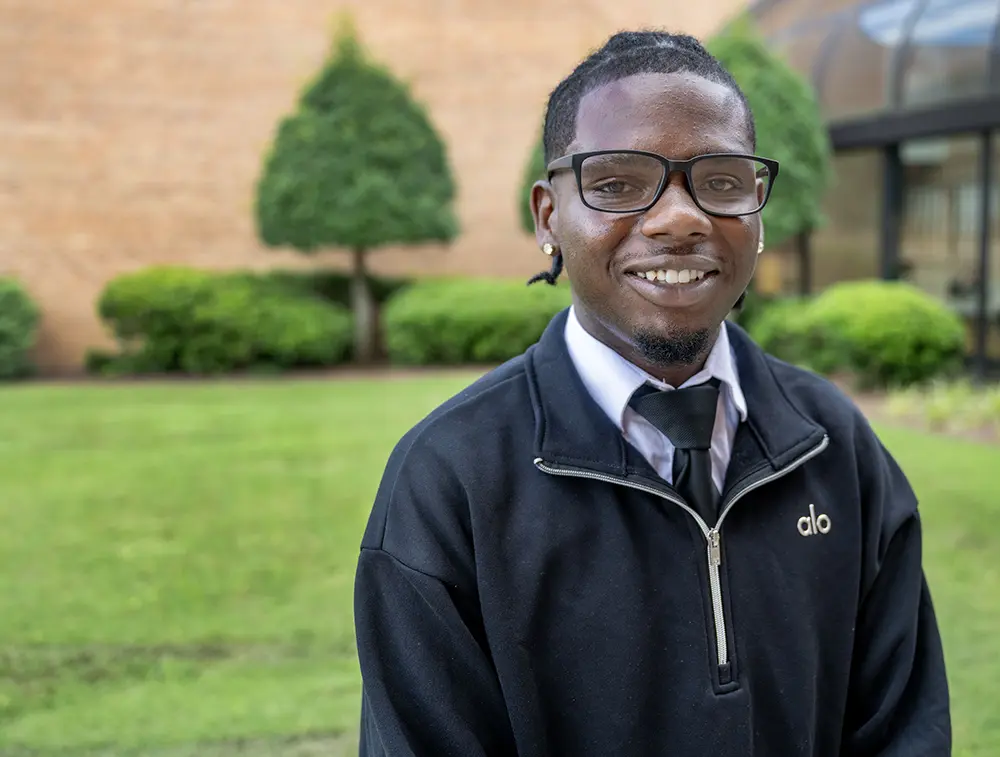
Ko’s journey to a brighter future
Ko spent most of his childhood in the foster care system, but it wasn’t a traditional path. When he was 10 years old, Ko was placed in state custody. Ko didn’t end up with a foster family; instead, he went to Bill’s Place, a residential campus of Youth Villages.
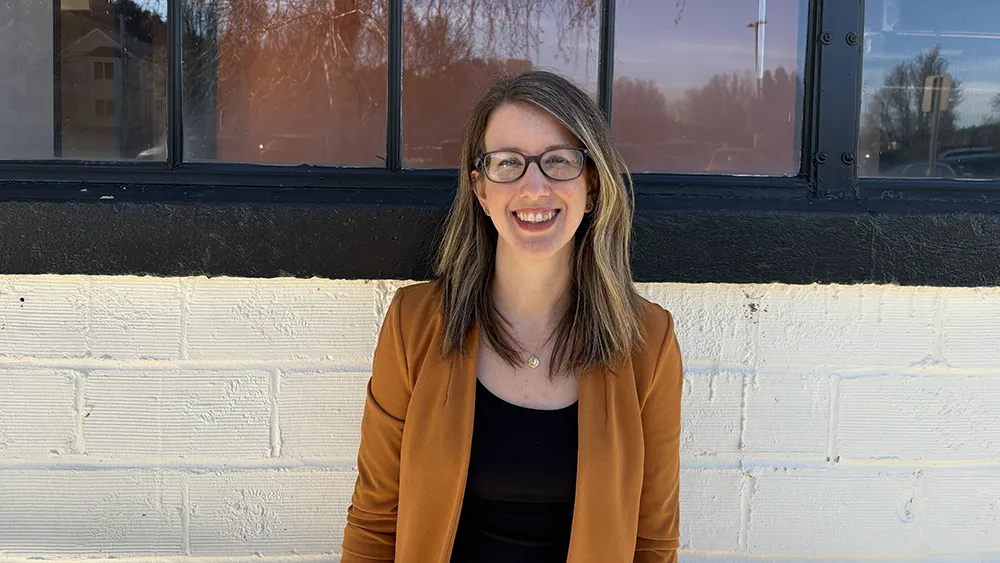
A day in the life, Anna Veverka: Placement manager
When families and young people reach the ‘front door’ at Youth Villages in Oregon, they meet Anna Veverka, the placement manager who is also known as ‘the puzzle solver.’
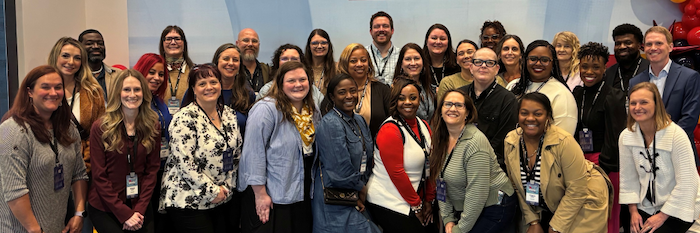
From one partner to a national network: Youth Villages marks a decade of system change through partnerships and collaboration
Ten years ago, a handful of Youth Villages staff — members of the new Strategic Partnerships department — boarded a flight from Memphis to Seattle to train employees at the Y Social Impact Center to deliver LifeSet, Youth Villages’ evidence-based program model supporting young people transitioning from foster care to adulthood.
MAKE A CAREER OUT OF CHANGING LIVES
Do you share our passion for helping children and families live successfully? We’ve got a place for you.