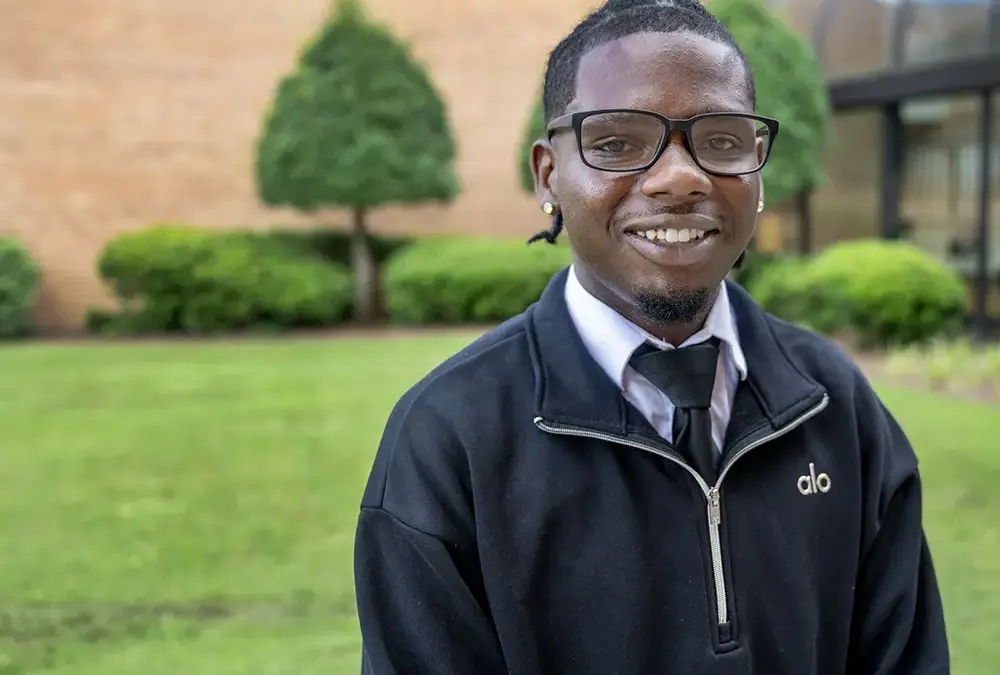
Ko spent most of his childhood in the foster care system, but it wasn’t a traditional path. When he was 10 years old, Ko was placed in state custody. Ko didn’t end up with a foster family; instead, he went to Bill’s Place, a residential campus of Youth Villages.
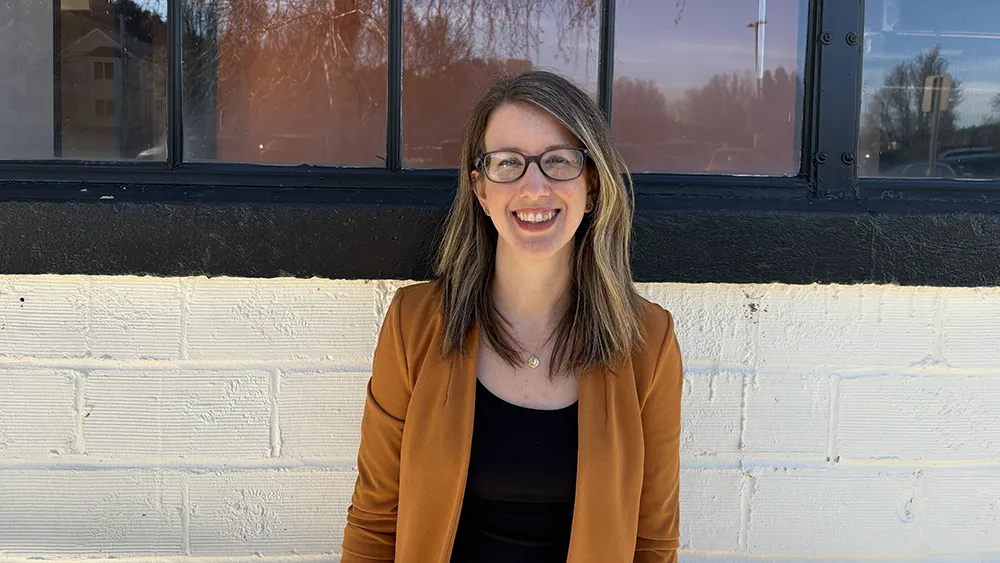
When families and young people reach the ‘front door’ at Youth Villages in Oregon, they meet Anna Veverka, the placement manager who is also known as ‘the puzzle solver.’
Ten years ago, a handful of Youth Villages staff — members of the new Strategic Partnerships department — boarded a flight from Memphis to Seattle to train employees at the Y Social Impact Center to deliver LifeSet, Youth Villages’ evidence-based program model supporting young people transitioning from foster care to adulthood.
In Oregon, young people who experience foster care face steep barriers compared to their peers. Only 57% graduate from high school, and many age out of the system without family support. According to the Annie E. Casey Foundation, only one in 10 foster youth enrolls in college.
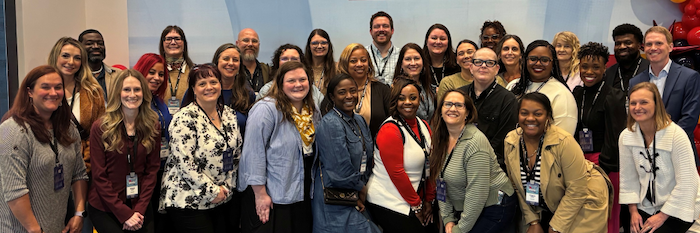
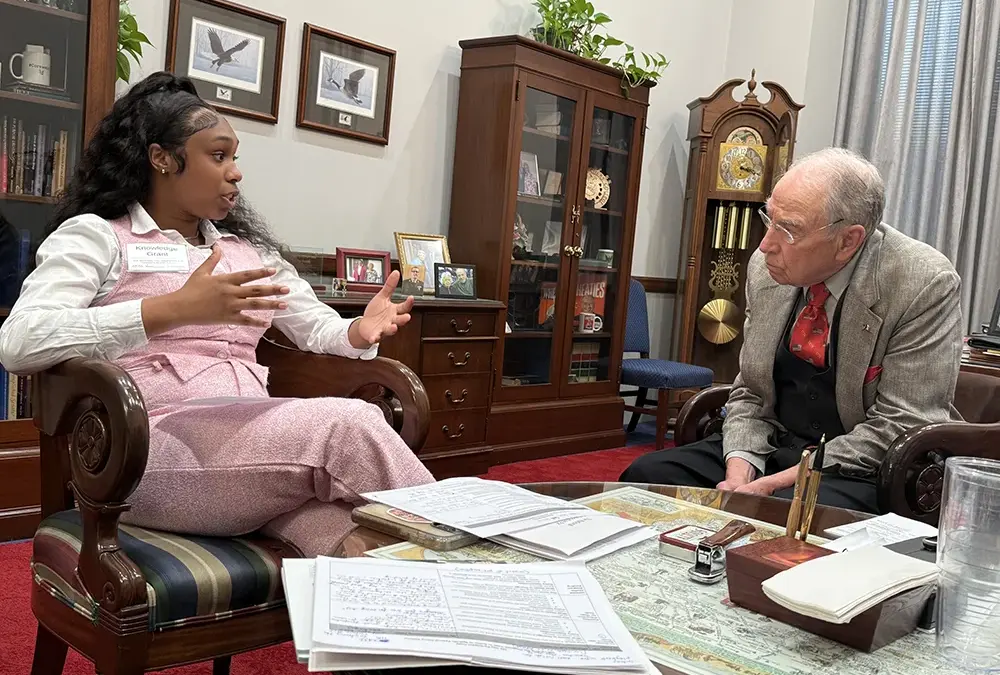
When Natalie Clark asked a question about the availability of federal housing vouchers during a policy session at the Family-Focused Treatment Association’s 2026 Public Policy Institute in Washington, D.C., she wasn’t speaking as an observer.
When Lucas was younger, he dreamed of playing in the NFL or NBA. But when he was diagnosed with Becker muscular dystrophy, a rare genetic disorder that causes progressive muscle weakness in the legs, pelvis and heart, those dreams suddenly felt out of reach. As his physical abilities changed, so did his outlook on life. At just 8 years old, Lucas struggled with overwhelming feelings of sadness, isolation and worthlessness.
Extended foster care cannot help a young person who never learns it exists.
Among surveyed young people who did not participate, 44% said they were unaware of EFC or had not been told about it. At the same time, all 30 state and county child welfare professionals surveyed said caseworkers promote the program.
By the time a family appears in youth court, a judge is already weighing decisions about safety, placement and what happens next.
But identifying what a family needs is only one part of the job. That help must exist, the family must be able to reach it and the court, agency and provider must understand who is responsible for the next step.
The Youth Villages Job Prep program equips young adults with the skills, confidence and professional guidance they need to successfully enter the workforce and achieve greater independence. Career mentors play an important role by leading workshops, sharing career insights, practicing interview skills and serving as encouraging, consistent role models as participants prepare for employment and adulthood.