
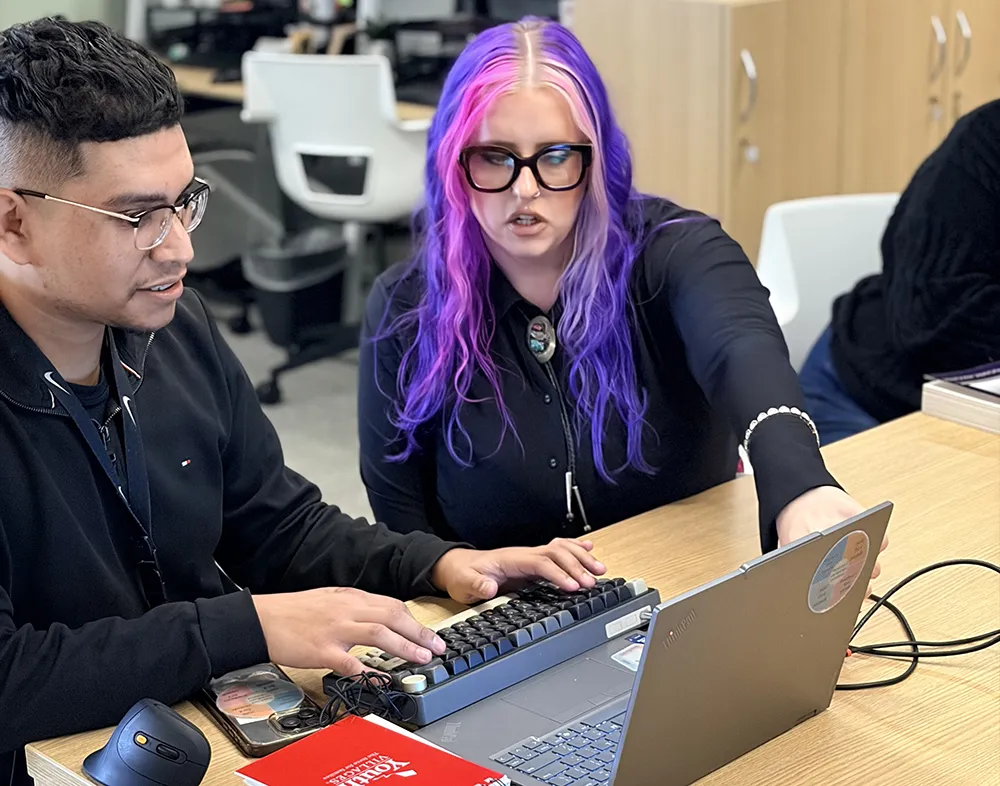
A day in the life Madi Harp, licensed program expert



As a licensed program expert (LPE) with Youth Villages, Madi Harp often acts as the team’s beloved ‘work mom.’ Her role is dedicated to supporting young adults facing mental health challenges; coaching caregivers through the ups and downs of parenting; and mentoring her staff as they make difficult decisions.
Harp may write blog posts and share clinical tips for the organization, but her role is much broader. LPE’s provide clinical leadership to assigned teams by implementing Youth Villages’ treatment models, ensuring program success through weekly consultation and conducting team trainings. She also provides direct clinical support and, as a licensed clinical social worker, is qualified to diagnose. Harp uses that expertise to identify concerns and guide families toward appropriate services and next steps. When a diagnosis is part of the process, Harp helps parents in Intercept and young people in LifeSet and the Independent Living Program (ILP) understand what it means in practical terms and how it connects to treatment, services and daily life.
“This can be so important for my young adults who aged out of foster care because many of them have gone so long with undiagnosed ADHD, depression or anxiety,” she said. “For the first time, many of them feel seen by a provider, and I can help them get the care they need.”
A significant part of Harp’s work involves helping parents understand their child’s behaviors that may feel uneasy or unfamiliar. She guides families in distinguishing normal developmental behavior from concerns that may require additional support.
“I had one family who was very concerned their 9-year-old was taking selfies with knives,” she said. “The dad was like: ‘Oh my goodness, what are we going to do?’”
Harp says the child could have seen that in a movie or television show or simply found an iPad and knife at the same time and acted out of curiosity. She quickly stepped in to reassure the parents and encouraged them to get a lock box for sharp items.
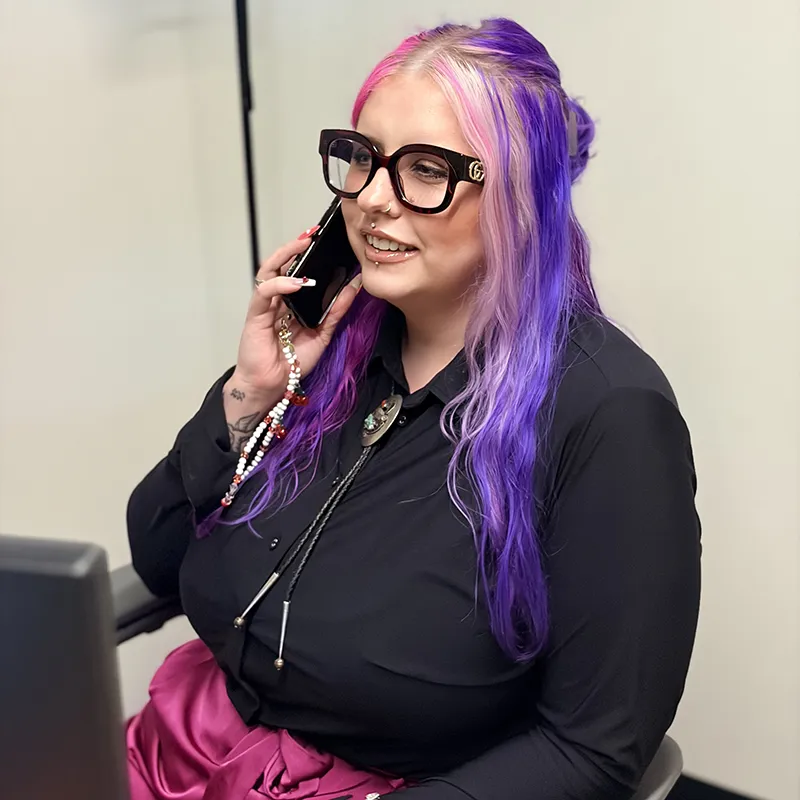
Harp says collaboration is a critical part of her role. She works closely with Youth Villages clinicians, specialists and program staff to ensure care is coordinated and responsive.
She brings crucial legal and ethical perspectives to every situation, which is an essential part of her job. When a specialist reports that a young person has made statements about self‑harming — even if they add, “They say this all the time…” — Harp steps in to ask the hard questions and provides an objective clinical view. Her responsibility is to ensure every concern is taken seriously, because even familiar patterns can become urgent without warning.
“I want them to know they have a helping hand, and they’re not alone,” Harp said.
Share on Social