When Natalie Clark asked a question about the availability of federal housing vouchers during a policy session at the Family-Focused Treatment Association’s 2026 Public Policy Institute in Washington, D.C., she wasn’t speaking as an observer.
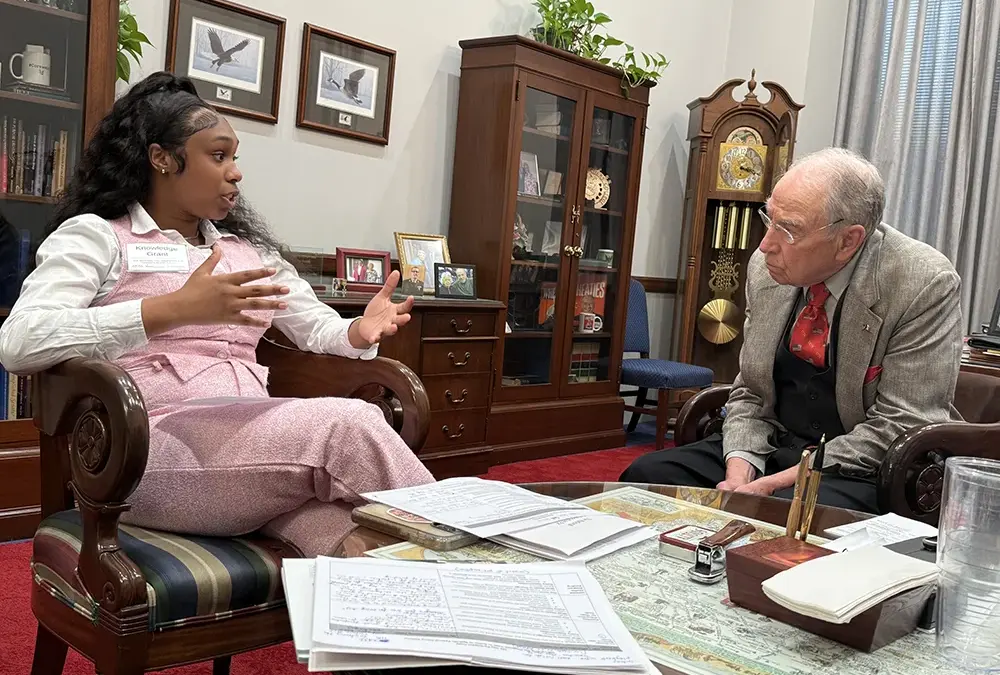

When Natalie Clark asked a question about the availability of federal housing vouchers during a policy session at the Family-Focused Treatment Association’s 2026 Public Policy Institute in Washington, D.C., she wasn’t speaking as an observer.

Extended foster care cannot help a young person who never learns it exists.
Among surveyed young people who did not participate, 44% said they were unaware of EFC or had not been told about it. At the same time, all 30 state and county child welfare professionals surveyed said caseworkers promote the program.
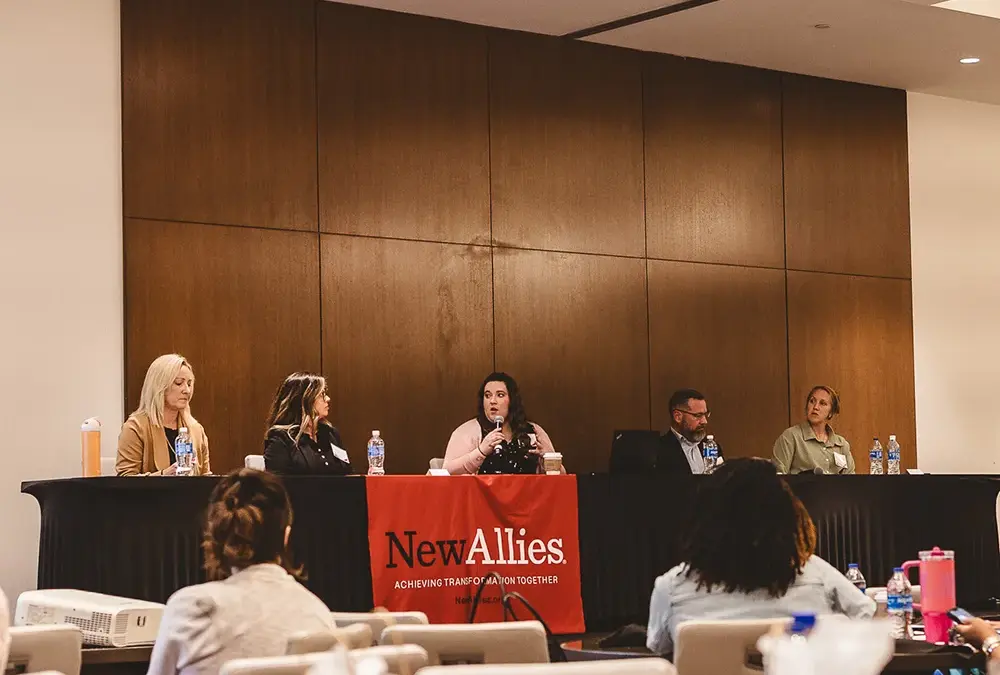
By the time a family appears in youth court, a judge is already weighing decisions about safety, placement and what happens next.
But identifying what a family needs is only one part of the job. That help must exist, the family must be able to reach it and the court, agency and provider must understand who is responsible for the next step.
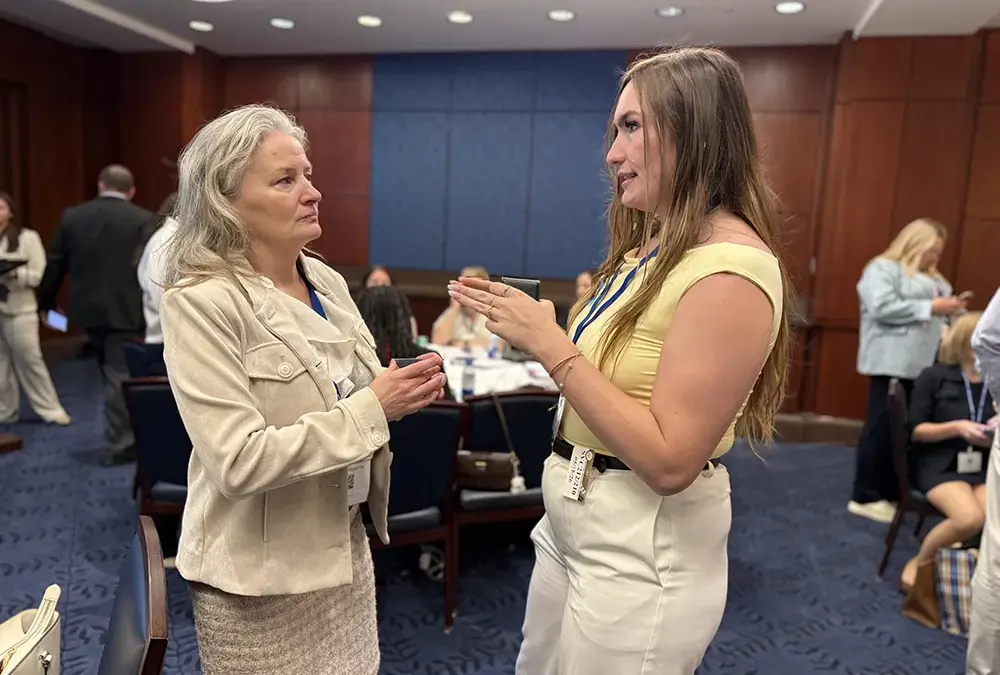
Members of the National Collaborative for Transition-Age Youth with lived experience in foster care participated in the Family Focused Treatment Association’s Public Policy Institute during their week of advocacy in Washington, D.C.
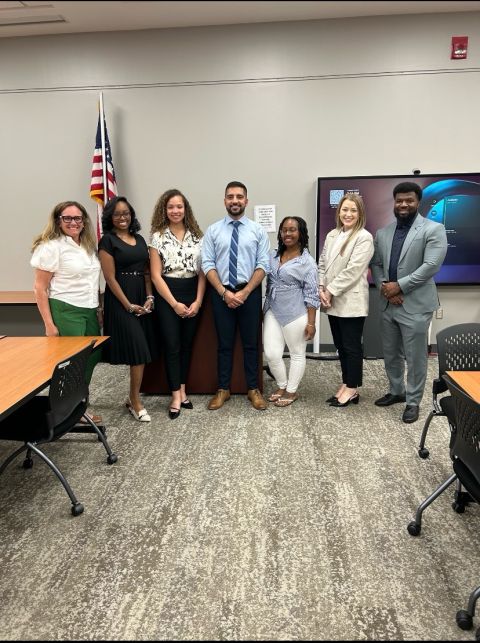
Building on the release of its Playbook of Best Practices, the National Collaborative for Transition-Age Youth is partnering with jurisdictions to help child welfare leaders use the playbook to develop strategies to improve outcomes for young people moving from foster care to adulthood.

Extended foster care is one of the most important tools states have to support young people as they move into adulthood. When it works well, it provides stability, relationships and practical support at a time when most young adults still depend on family and community.
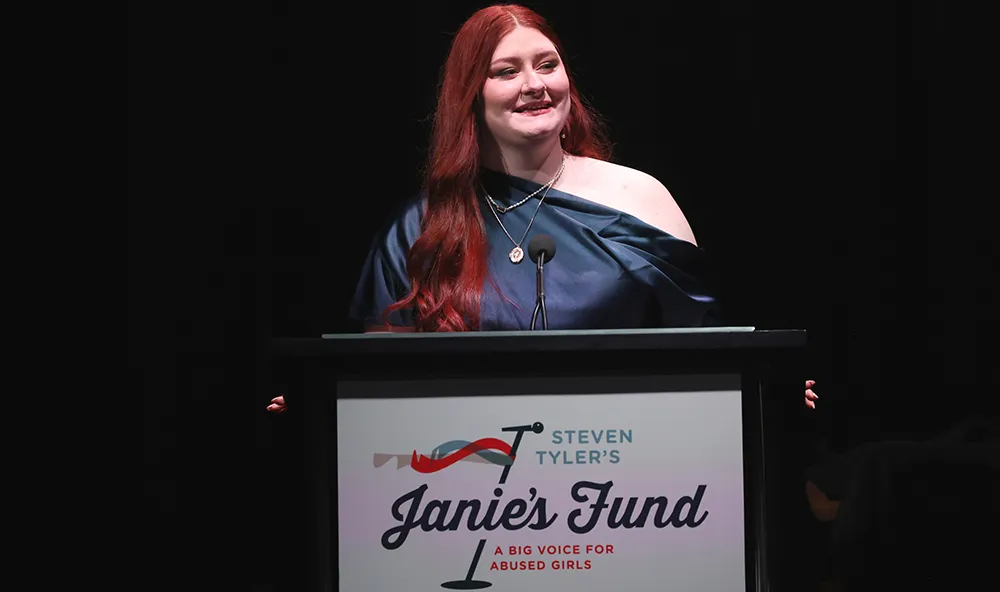
Young people with lived experience in foster care have been a force for positive change in child welfare policy for decades, with deep impact that traces back to the lobbying effort that led to the passage by Congress of the pivotal Chafee Foster Care Independence Program in 1999.
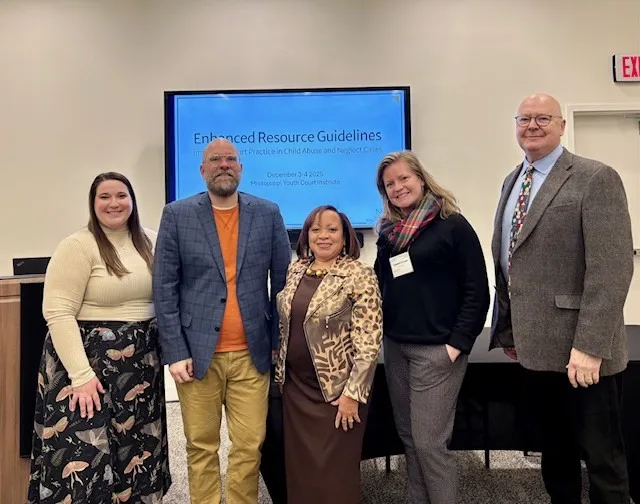
Courts play a central role in child welfare. Court decisions shape safety, permanency timelines and how families experience the system during periods of significant stress.

Modernizing child welfare systems is not a partisan issue. Across administrations, there has been growing recognition that outdated technology can slow down frontline work and limit the impact agencies have on young people and families.

For leaders working to support young people leaving foster care, the challenge is often not only gaps in research, but also how fragmented and uneven the evidence can be across systems and settings.