
National Colllaborative for Transition-Age Youth brings ‘best practices’ training to jurisdictions



Building on the release of its Playbook of Best Practices, the National Collaborative for Transition-Age Youth is partnering with jurisdictions to help child welfare leaders use the playbook to develop strategies to improve outcomes for young people moving from foster care to adulthood.
Recent workshops in Clark County, Nevada; Allegheny County, Pennsylvania and New York were part of “best practices” learning and strategy sessions, which brought together child welfare leaders, service providers and young adults with lived experience in foster care to explore how the playbook’s principles can be embedded into policy, practice and systems change in each jurisdiction.
In all three jurisdictions, two messages emerged clearly: more needs to be done to help young people move from foster care to adulthood, and young people with lived experience must be partners in shaping the systems designed to serve them.
Clark County, Nevada
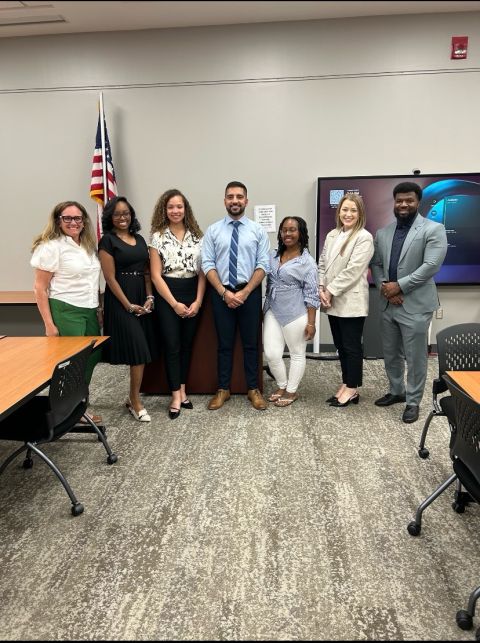
More than 40 stakeholders participated in the training in Clark County, Nevada, through the leadership of Jamie Sorensen, director of Clark County Social Services.
“What stood out most throughout the engagement was the willingness of Clark County leaders and stakeholders to engage honestly, collaboratively and strategically around the future they want to help co-design for transition-age youth,” said Tim Ashmore, strategic partnership network director at Youth Villages. “These conversations matter. Systems improve when leadership, community voice and implementation strategy move together.”
Allegheny County, Pennsylvania
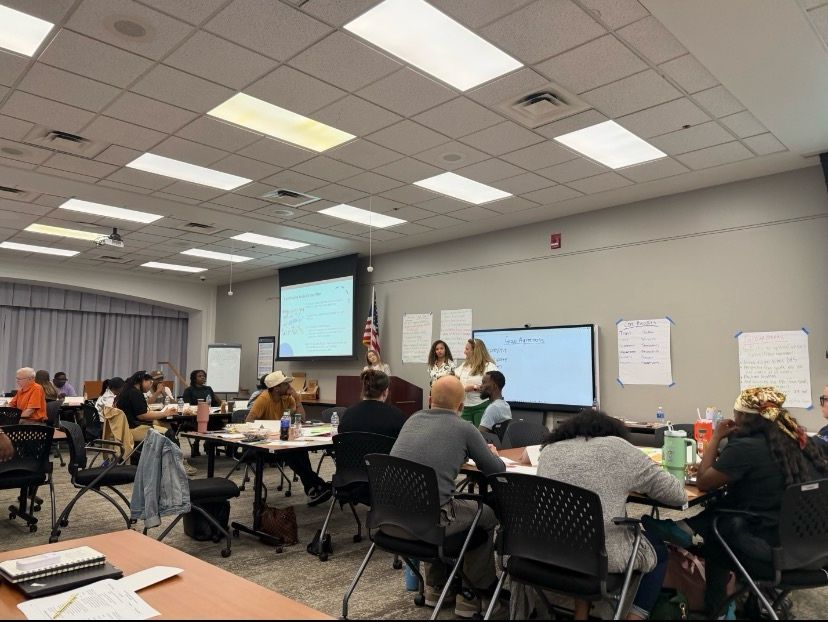
Mandeep Gill, director of child welfare for Allegheny County’s Office of Children, Youth and Families, opened their implementation planning session by emphasizing the importance of youth participation.
“The young people are the most important people in the room,” Gill told participants. “They are why we are here.”
Participants spoke about the importance of helping young adults build confidence in themselves while ensuring staff also have confidence in their skills to support them. The group also emphasized that young people should define “successful adulthood” for themselves.
Rather than measuring outcomes solely by milestones such as high school graduation, college enrollment or degree completion, one participant committed to helping each young person define success based on their own goals and aspirations.
One young adult participant shared that the session was a reminder that their voice matters and asking for support is a strength, not a weakness. Another expressed hope that the playbook would become a national standard, and Allegheny County’s work could serve as a blueprint for communities across the country.
New York
Attendees from New York’s Office of Children and Family Services, led by Kelly Pennebaker, the director of OCFS’ Bureau of Education and Transitional Support Services, were part of the training, which included a member of the state’s Youth Advisory Board. New York agency leader, Ken Kirton, was a member of the National Collaborative for Transition-Age Youth as it was developed, and Pennebaker and her team have been using the playbook since its release.
Delaney said the youth board already included the playbook in its work. Agency leaders identified strengthening and expanding youth engagement as a key priority for the jurisdiction moving forward.
Other goals identified included implementing the playbook statewide, making it the standard of care for transition-age youth, especially “the infusion of the core principles into older youth practice.”
The concept of youth choice surfaced throughout the three workshops. While youth voice remains essential, participants emphasized that young people should also have meaningful opportunities to make decisions about their own lives and futures. One participant group described its desired future state as “a place where youth choice is just as loud as youth voice” and where young people are equipped with the tools and support needed for adulthood.
The conversations in New York, Allegheny County and Clark County reflected a shared commitment to ensuring that young people leave foster care with the support, connections, opportunities and hope they need to thrive in adulthood.
For more information on the National Collaborative for Transition-Age Youth, click here or email: TAY@youthvillages.org.
Share on Social