
The Beat Goes on: 30 Years of West African Drumming at Inner Harbour



It’s the metaphorical heartbeat of the Inner Harbour campus.
And it’s alive, kicking and celebrating the big 3-0.
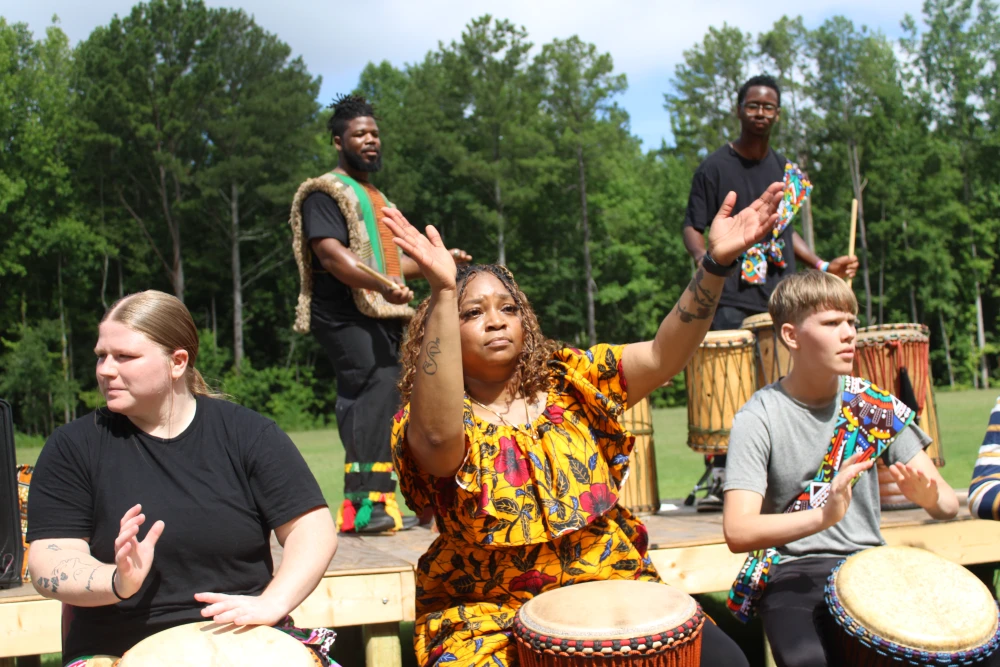
Launched in 1996, the West African drumming program at Inner Harbour in Douglasville, Georgia, has become one of the campus’ signature therapeutic and educational experiences. Three decades later, it remains an essential part of treatment, helping young people build confidence, self-regulation, connection and cultural awareness through music.
After Inner Harbour merged with Youth Villages in 2009, the program’s influence expanded beyond Georgia, serving as a model for the organization’s residential campuses in Tennessee and demonstrating how music fosters healing and community.
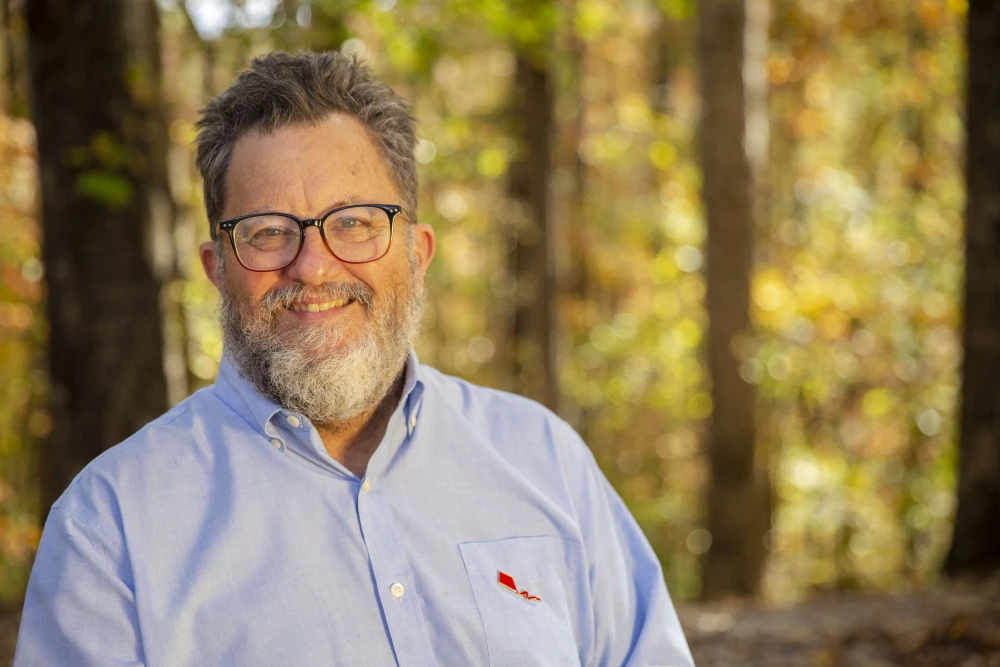
The story begins with the curiosity and vision of one man: Tom Harris.
The Origin
In 1996, Harris was seeking a new professional direction professionally after a wilderness program he launched at Inner Harbour failed to gain traction. Then a friend introduced him to the djembe, a hand-played West African drum.
“I was just obsessed with it and started building them and playing them, learning about them, and that’s when we started it here,” Harris said.
Convinced drumming could engage young people facing behavioral and mental health challenges, Harris proposed a new program to campus leadership. Support came from Danny Bearden, now Inner Harbour’s assistant director of support services, who challenged Harris to have a group ready to perform at an open house in just 10 weeks.
“I just lied and said, ‘Oh yeah, no problem,'” Harris joked.
With funding for six drums, Harris began building them with the youth.
“At that point, I would cut the wood with my table saw at home, and I’d bring it in,” Harris said. “We glued them up together with the kids. They did all the woodwork with them.”
The drums were finished just nine days before the event.
“So, I had nine days to teach the kids how to play. And mind you, I’d only been playing drums for about five months at that point,” Harris said.
The performance was a success and marked the beginning of what would become one of Inner Harbour’s most enduring programs.
Over time, the program evolved into much more than music instruction. Youth learned teamwork, discipline and communication while finding healthy ways to express emotions and to connect with others. Harris saw firsthand how traditional West African drumming could help young people strengthen self-regulation and build positive relationships, especially for those healing from trauma.
This work is about bringing joy and building community, two things vital for the youth in our programs to experience.
The Evolution
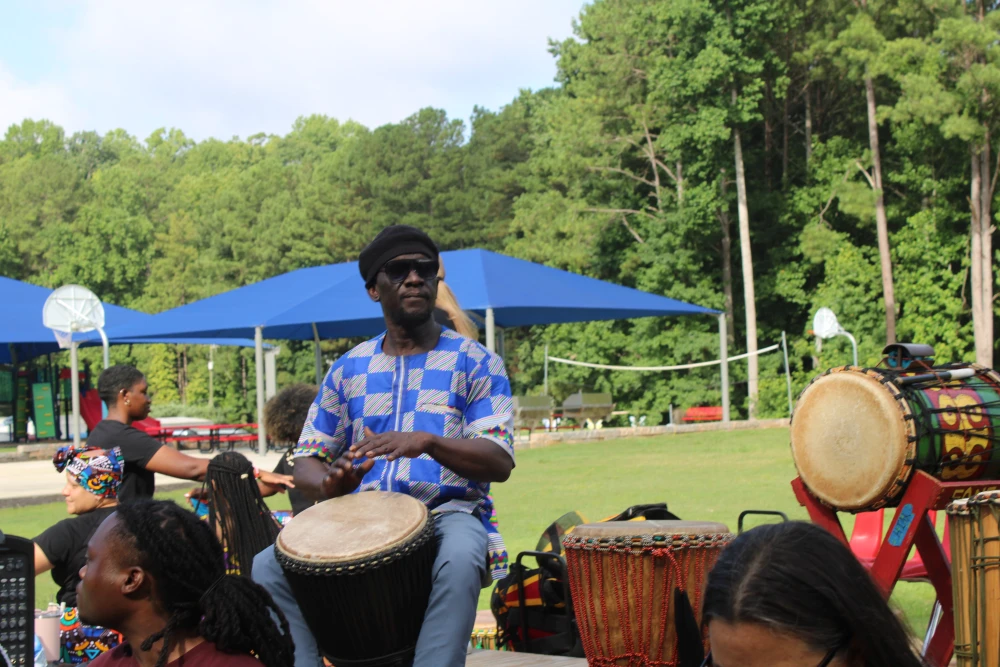
When Harris retired in 2023, he passed leadership of the program to Tatiana Rolles.
“She is just stunning with the kids,” Harris said. “She’s amazing. She takes initiative and works hard.”
Under Rolles’ leadership, the program has continued to flourish while deepening its cultural authenticity. Weekly drumming groups remain a staple of campus life, and Rolles now leads the Therapeutic Drumming Instructor Training program, an 11-month course teaching West African rhythms and therapeutic applications to Youth Villages staff and community members.
The program has also expanded to include dance, singing and additional traditional instruments, such as the balafon and krin.
Its impact now extends far beyond Inner Harbour.
Inspired by the program’s success, Michael Gordon, a therapeutic drumming instructor in Tennessee, helped expand drumming across Youth Villages’ residential campuses in the Memphis region. Today, regular drumming sessions are part of campus life at multiple locations, and clinicians integrate drumming into treatment.
“Drumming has made such an impact, not just on young people but on staff as well,” Gordon said. “A young person can come in feeling depressed and leave smiling, and staff who have had a rough day often leave energized and ready to keep going. It’s about unity and bringing people together.”
Community workshops have further broadened the program’s reach, introducing schools, organizations and partners to the healing power of drumming and dance.
“This work is about bringing joy and building community, two things vital for the youth in our programs to experience,” Rolles said. “We are not only using drumming as a therapeutic intervention; we are also educating our children about how to honor a different culture.”
That philosophy comes to life each summer through the Summer of African Dance program.
Rolles, who has danced since age 3guides youth through a five-week immersive cultural experience. This year, 144 young people participated, and instruction was offered five days a week for the first time in the program’s history. West African dance instructor Aly Camara returned to campus to help ensure the dances, songs and rhythms remained culturally authentic.
“The youth in our care have often experienced things that leave them unsure about their bodies,” Rolles said. “Incorporating dance gives them the opportunity to explore self-expression through movement in a safe environment. They get to experience being in their bodies and moving with purpose and joy.”
The Legacy
Perhaps no one captures the program’s impact better than Kameron Christie.
Christie, a former Inner Harbour resident, found confidence and connection through drumming while in care. After successfully completing treatment, she returned in 2023 to complete the Therapeutic Drumming Instructor Training program and now volunteers with youth on campus.
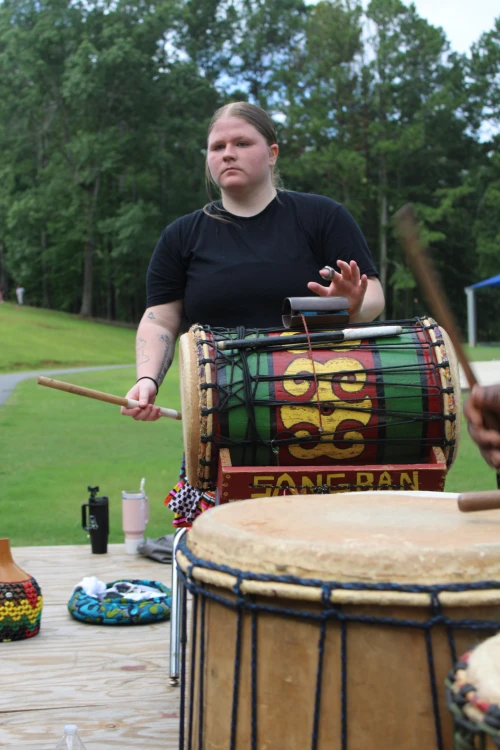
She credits Rolles and the drumming community with helping shape her journey.
“Drumming reminds me how important it is to meet the kids where they are,” Christie said. “That is what Tatiana did for me. She showed me what a community of people can do for you.”
For Rolles, that sense of belonging is the program’s greatest achievement.
“This program helps children trust adults, develop a new sense of identity, experience joy and learn what community really means,” she said. “It helps them build healthy relationships and teaches them to trust themselves within a community. We get to witness youth finding themselves and honoring their uniqueness.”
With four new youth cottages recently opening at Inner Harbour, Rolles sees opportunities to reach even more young people. She hopes to continue expanding cultural experiences by introducing new instruments, language instruction, food and connections with West African teachers.
“I have seen how this program has impacted lives in the most beautiful ways,” she said. “It has helped children come out of their shells and feel safe and free to express themselves. They find their voice, their gifts and their true nature. They are reminded of how important they are as individuals and as part of a community that would not be the same without them, just as they are.”
The drums that first sounded at Inner Harbour three decades ago still echo today, carried forward by those who founded the program, those who lead it now, and those whose lives have been transformed by it.
Share on Social