
Mississippi youth courts put prevention into practice



By the time a family appears in youth court, a judge is already weighing decisions about safety, placement and what happens next.
But identifying what a family needs is only one part of the job. That help must exist, the family must be able to reach it and the court, agency and provider must understand who is responsible for the next step.
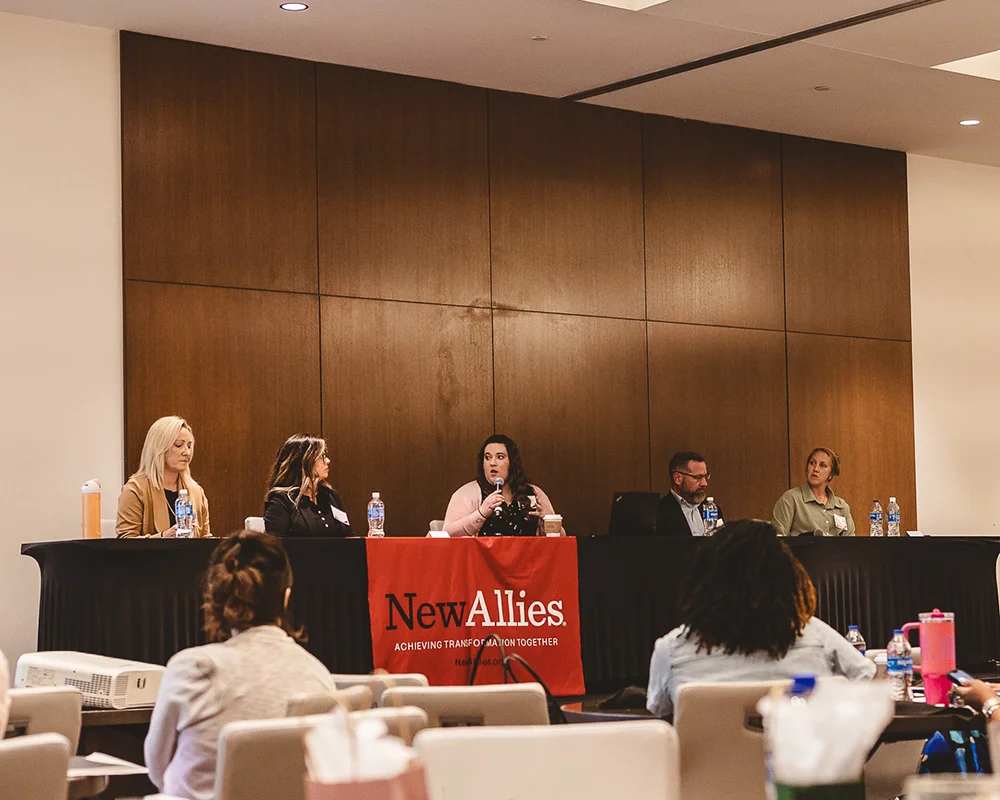
Those challenges were at the center of the Mississippi Youth Court Institute convening in Jackson in May. The two-day gathering brought together judges, court staff, child welfare leaders and community partners to consider how courts can connect families with support sooner and avoid unnecessary removals.
New Allies, the technical and consulting wing of Youth Villages, hosted the convening as part of its work with the Mississippi Department of Child Protection Services and youth courts across the state.
“Judges often see families after a crisis has already reached the courtroom, but they are also in a position to ask what support might have made a difference earlier,” said Britany Binkowski, director of New Allies. “This convening was about giving court teams ideas they can take back to their communities, from improving visitation and safety plans to helping families connect with services before removal becomes the only option.”
Looking beyond individual rulings
Judge Beth S. Dixon, a North Carolina district court judge and national faculty member with the National Council of Juvenile and Family Court Judges, opened the convening with a keynote titled, “One Judge Can Make a Difference.”
Over the next two days, participants walked through child welfare data and updates to the Family First Prevention Services Act. They also examined Plans of Safe Care for infants and families affected by substance use, along with county efforts to prevent removals.
The group included court administrators, researchers, family navigators and people with firsthand experience of treatment court and recovery. April Johnson completed the Hancock County Family Treatment Court program before becoming a peer recovery support specialist with the same court. She now works with people in recovery, helps lead groups and participates in court proceedings.
Local projects shaped the conversation
The convening was part of work already underway through the Mississippi Youth Court Institute, which New Allies launched with the council.
New Allies awarded $325,000 to support projects involving youth courts in Bolivar, Marion, Harrison, Hancock and Jackson counties.
In Bolivar County, the work focuses on improving visitation and coordinating care to support family reunification.
Marion County is strengthening home safety plans and helping families connect with services. The project also aims to make sure family feedback is considered in court decisions.
Harrison, Hancock and Jackson counties are working together to improve support for mothers and expectant mothers experiencing substance use. Their effort brings court, treatment and community partners together so families are not left to navigate several separate systems on their own.
Because those projects are already in motion, court teams came to the convening with more than broad policy questions. They could compare challenges from their own communities, hear how other counties were responding and consider what might work at home.
Participating teams receive training and coaching through the institute. The data science team at Youth Villages and the council will evaluate the projects as they continue.
From statewide goals to local courtrooms
New Allies has worked with MDCPS since 2023. The work includes coaching agency staff and leaders, supporting youth courts and reviewing services across the state to see where families are having trouble getting help.
The convening brought that broader work into one room. State leaders discussed prevention policy while local court teams looked at what it means for visitation, safety planning, substance use treatment and family participation.
The projects are still in progress, and their results have not yet been evaluated. They are testing whether earlier support, clearer responsibilities and stronger coordination can help families resolve problems before removal becomes necessary.
That is the larger stake for Mississippi’s youth courts: not only making sound decisions once a family reaches the courtroom but also making sure families can actually get the help those decisions call for.
To learn more about New Allies, email info@newallies.org.
Share on Social