
New Jersey looks to build a workforce designed for older youth



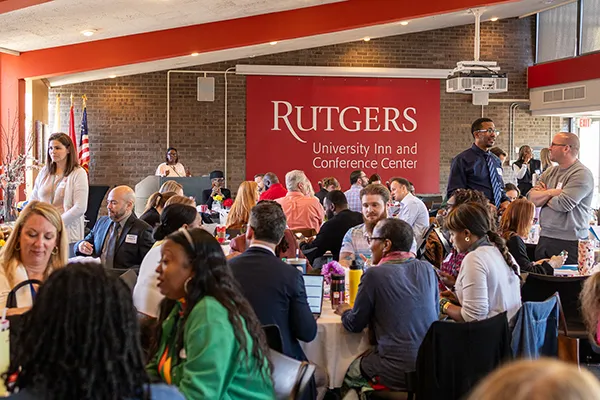
That was the focus of Joining Forces: A Collaborative Meeting on Supporting Transition-Age Youth, held at Rutgers University. Organized by New Allies, the technical and consulting wing of Youth Villages, the convening brought together the New Jersey Department of Children and Families, the Office of Family Voice, young people with lived experience in foster care, frontline staff, researchers and other partners to help shape New Jersey’s work around specialized caseloads for older youth.
New Jersey DCF Commissioner Christine Beyer made clear the effort is not about broad reform language. It is about what support should look like in practice for young people preparing for adulthood who need more than a traditional casework model can provide.
“It’s reasonable for us to really be able to have an impact, so no young person ages out of our system without legal permanence or relational permanence,” Beyer said.
Listening to what older youth need
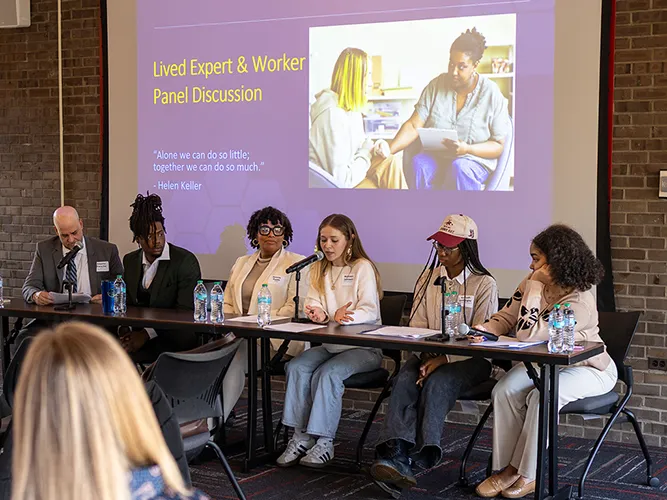
Lived experience experts helped ground the day in the realities young people face as they move toward adulthood. They spoke about what happens when leaders make decisions without listening, when resources are hard to access or when young people are expected to be independent before they are ready.
They also described what makes support work: honesty, consistency, patience and workers who are willing to build trust over time.
“People think, ‘They’re 17 or 18, they’re about to be adults,’” said Bisha, a lived experience expert from New Jersey “Exactly. I’m 17 or 18 and about to be an adult. I don’t know what I’m doing. Please help me.”
Frontline workers reinforced many of the same points. Meaningful support for older youth often requires more time, flexibility and follow-through than current structures allow.
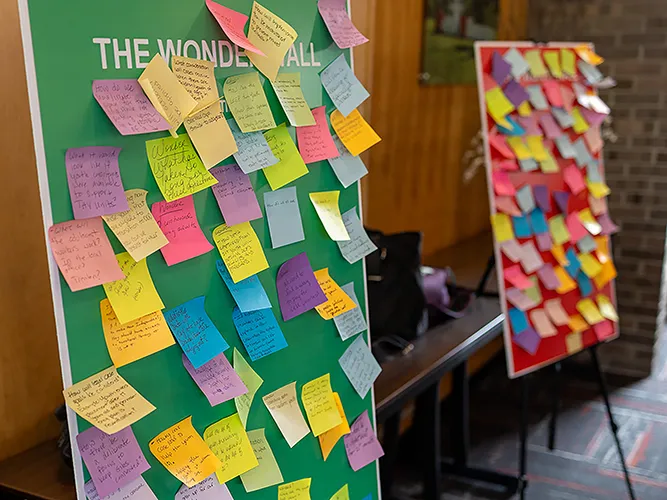
Across panel discussions and table conversations, participants described a model that sounded less like traditional case management and more like coaching, partnership and intentional support. Young people need workers who can explain decisions clearly, stay connected through setbacks and help with the practical demands of adulthood.
That includes housing, transportation, driving, education, employment, financial literacy, mobile phones and access to resources. Several conversations returned to the same point: resources do not help much if young people do not know they exist, do not understand how to access them or encounter delays once they ask for help.
Participants also raised another clear concern. Specialized caseloads will only matter if they are protected in practice. An adolescent-focused model can lose its value if workers are also expected to carry general permanency cases or other competing responsibilities.
Strong supervision, protected caseloads and leadership support were described as essential for the model to work as intended.
“What we heard throughout the day is that supporting older youth requires a different approach,” said Britany Binkowski, director of New Allies. “It means giving staff the time, flexibility and support to build real relationships and help young people navigate the practical side of adulthood.”
Data shared during the convening helped reinforce the concerns participants were raising. Presenters noted that DCF serves youth who experienced foster care across all 21 counties, and some who are facing the greatest instability may be the least likely to appear fully in survey data, including youth who are homeless, incarcerated or otherwise hard to reach.
Why this work matters
By the end of the convening, a clearer picture had emerged. Specialized support for older youth requires protected caseloads, more time for relationship-building, practical help tied to adulthood and a continued role for lived experience experts in shaping the work.
Through New Allies, Youth Villages is supporting New Jersey’s efforts to think through what that model should look like and what staff need to support young people well.
The work reflects a broader systems question: how can child welfare systems build a workforce around the realities older youth face? For New Jersey, the answer begins with listening to young people, supporting staff and designing a model that gives both the structure they need to move toward stability.
Share on Social