Members of the National Collaborative for Transition-Age Youth with lived experience in foster care participated in the Family Focused Treatment Association’s Public Policy Institute during their week of advocacy in Washington, D.C.
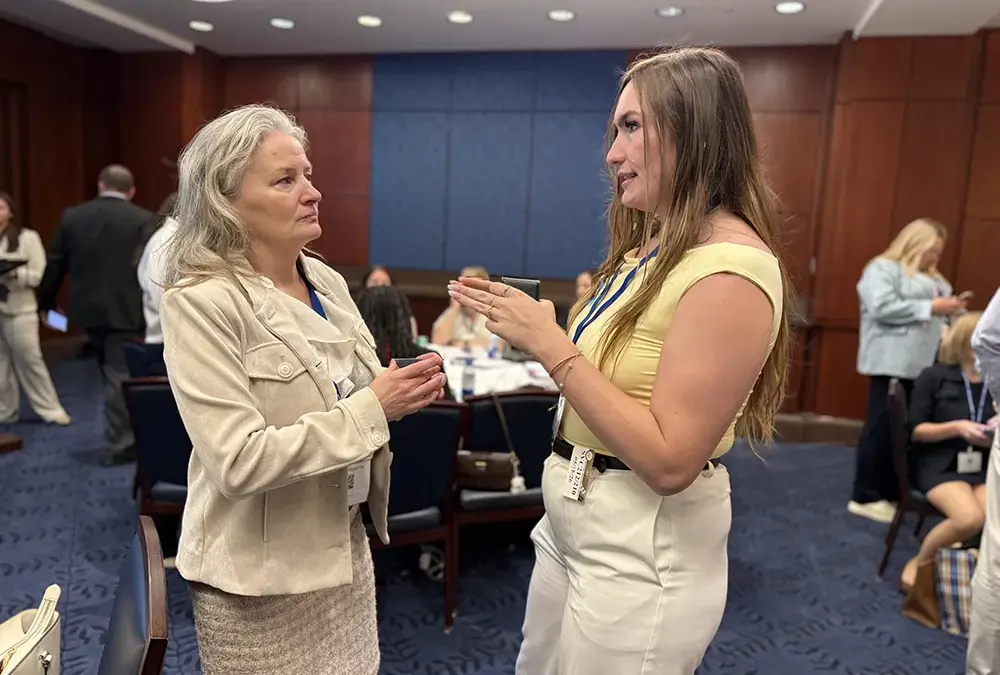

Members of the National Collaborative for Transition-Age Youth with lived experience in foster care participated in the Family Focused Treatment Association’s Public Policy Institute during their week of advocacy in Washington, D.C.
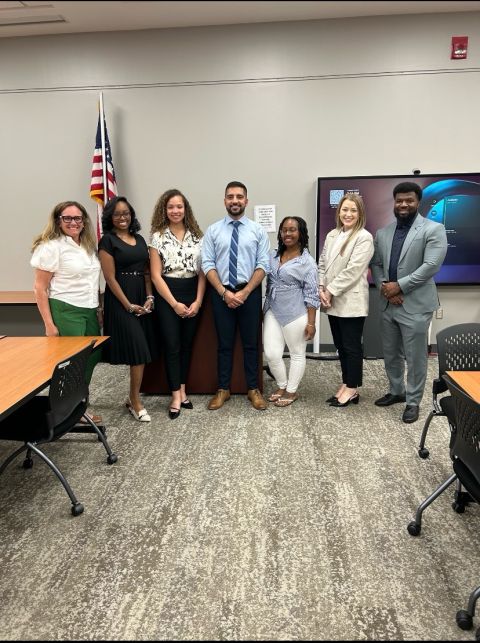
Building on the release of its Playbook of Best Practices, the National Collaborative for Transition-Age Youth is partnering with jurisdictions to help child welfare leaders use the playbook to develop strategies to improve outcomes for young people moving from foster care to adulthood.
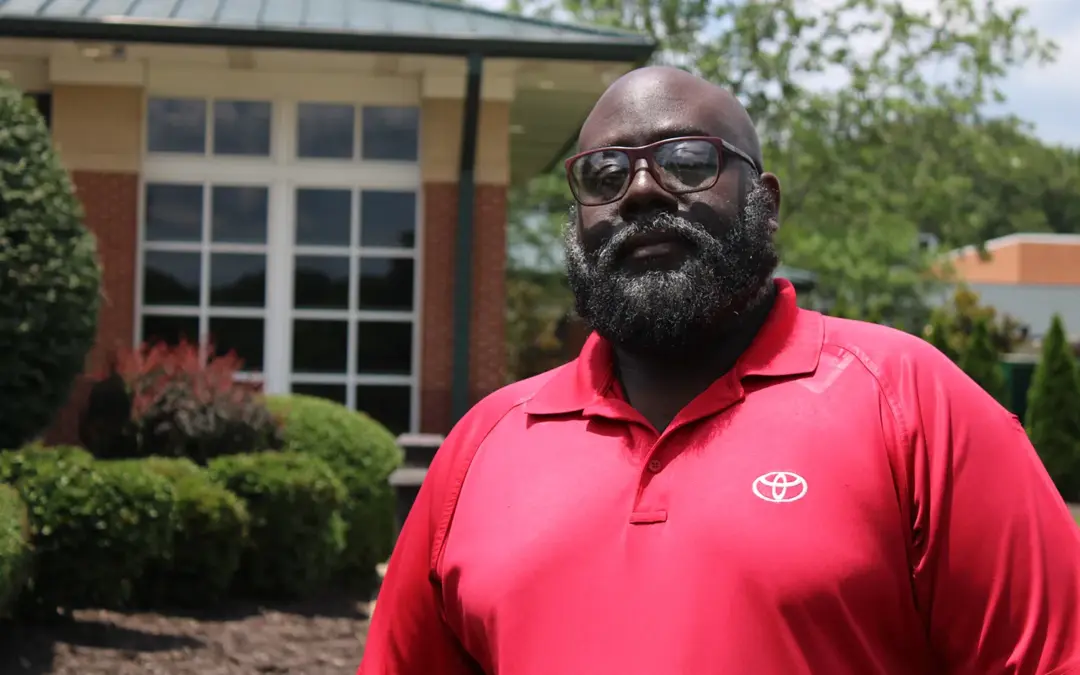
Across the country, a quarter of Americans mentor a child in some capacity each year. However, fewer than half of those who mentor do so through a formal program.
For Antwon Boone, becoming a mentor wasn’t part of his plan.

I know what it feels like to pack your life into a trash bag.
I know what it feels like to walk into a new house and not know if you’re staying two weeks or two years.
I know what it feels like to pretend you’re okay at school when your whole life feels unstable.

Erica Robinson, the state director of Youth Villages in Mississippi, spoke with Meredith Biesinger from the Daily Journal about the work Youth Villages is doing in Tupelo and the surrounding areas in Lee County. Erica emphasized how staff help parents navigate a...
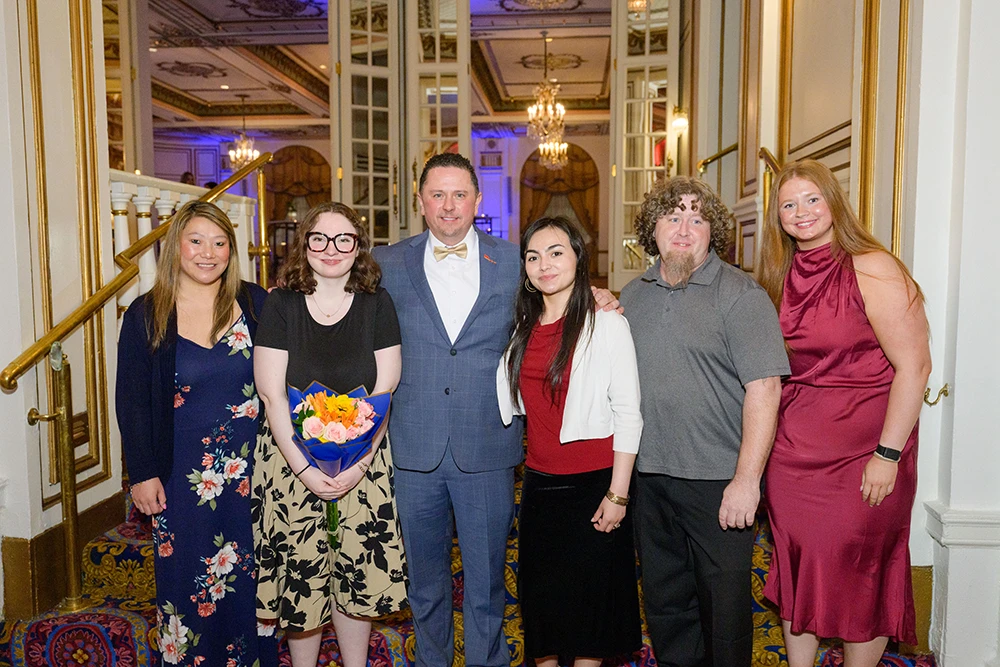
There are moments throughout the year that remind us why community matters and Red Kite Nite 2026 was one of them. The event was a reflection of what happens when a village comes together with a shared purpose: to ensure every young person has the opportunity to dream bigger and achieve more.

Mentoring has long been a part of Kenitra Stevens’ life. From serving with AmeriCorps in college to guiding teen mothers and working as a teacher, Stevens has consistently supported young people.
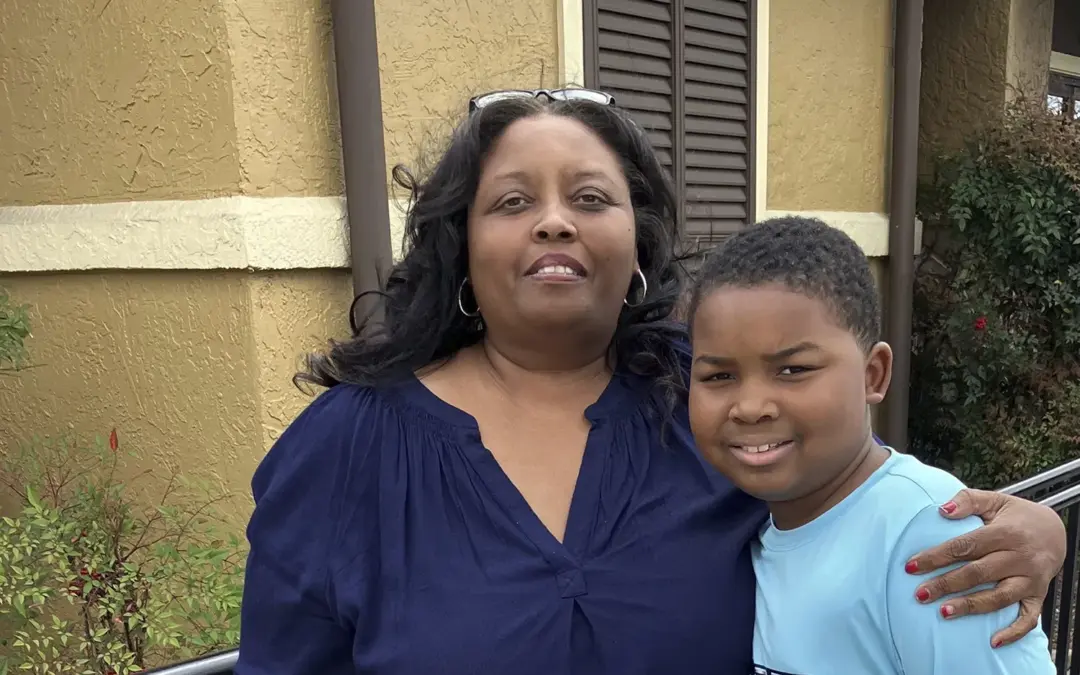
Henrietta, a single mom in suburban Atlanta, lived in constant fear – terrified she might lose her young son, Darrion, or that someone who didn’t understand his mental and behavioral struggles might hurt him.
The Administration for Children and Families’ ‘A Home for Every Child’ initiative gives states a new focus to streamline the Child and Family Services Review (CFSR) with one goal: achieving a 1:1 ratio of children to available foster home. As developments are moving quickly, Impact & Insights will provide regular updates on the initiative.

The Administration for Children and Families (ACF) is accelerating state and tribal use of seven evidence-based in-home services/home visiting programs as part of its drive to achieve a foster home-to-child ratio greater than 1:1 in every state.