
Georgia MATCH effort helps families find the right support sooner



Nick, 17, had been living in hotels around Atlanta with his mom and two siblings for more than a year. There was physical and emotional abuse, food insecurity, prevalent substance abuse, and very little structure or supervision. Diagnosed with ADHD and intellectual disabilities, Nick started acting out. He was suspended from school twice in just a few weeks, took his mother’s car without permission and refused his medication. Nick ended up at a short-term crisis stabilization center.
When a child has complex behavioral health needs, help is often needed from more than one system at once. Mental health providers, schools, child welfare agencies, juvenile justice, Medicaid and community organizations may all have a role to play. But when those systems are not aligned, families can spend critical time trying to find the right avenue instead of getting the right support.
Nick was referred to Youth Villages’ intensive in-home services, Intercept, through Georgia’s Multi-Agency Treatment for Children Committee (MATCH), created to help close gaps in services and collaboration. Established through the state’s 2022 behavioral health reform legislation, MATCH brings together state agencies and providers to coordinate services for children and youth whose needs are not met through local systems.
The approach is built around a “No Wrong Door” model. No matter where a child or family enters the system, the goal is to connect them to the services and support that best meet their needs.
Coordinating care across systems
MATCH is designed for children and youth with complex behavioral health diagnoses, including young people with serious mental health needs, developmental disabilities, autism spectrum disorder or involvement across multiple systems.
Referrals can come from any child-serving agency and move through a state clinical team that includes representatives from multiple agencies and providers. The team reviews a family’s needs, identifies available support and helps determine a path forward.
That coordination matters because no single agency can always be successful on its own. Families may need behavioral health care, caregiver support, school coordination, crisis stabilization or in-home services at the same time. MATCH creates a structure for those conversations to happen together rather than separately.
Expanding in-home support
Youth Villages is part of Georgia’s broader effort to expand community-based services for children and families. Through a pilot contract with the Georgia Department of Behavioral Health and Developmental Disabilities, Youth Villages has expanded Intercept services in Douglas, Paulding and Rockdale counties in Georgia.
Intercept provides intensive in-home services for children with serious emotional and behavioral challenges. The program works with families in their homes and communities, helping address safety, parenting, school, behavioral health and family stability needs.
In a coordinated system, intensive in-home services can help fill a critical gap. When families receive support earlier, children have a better chance of remaining safely at home and avoiding more restrictive settings.
Supporting families before crisis
The MATCH effort reflects a larger shift in how systems respond to children with complex needs. Instead of waiting until a family reaches a crisis point, the goal is to identify challenges sooner, coordinate across agencies and connect families to support that fits their situation.
That kind of coordination can be especially important when families are facing urgent behavioral health challenges. Without clear pathways to care, children may spend time in emergency departments, crisis centers or out-of-home placements while agencies work to identify available services.
MATCH is intended to make that process clearer. By bringing agencies and providers together around a child’s needs, the approach helps reduce the burden on families and creates more opportunities to support children safely in their homes and communities.
The right support at the right time
For families, access to the right support at the right time can change what happens next. It can help stabilize a child at home, support caregivers before they are overwhelmed and reduce the need for more restrictive care.
Nick and his siblings moved in with their grandparents. Intercept Family Intervention Specialist Diamond Kennedy visited the home three times each week for sessions that helped the entire family adjust to the new living environment and learn coping skills. Working as a team with the grandparents, Kennedy used trauma-informed interventions to help Nick address past abuse and transition to a structured, supervised family life.
With Intercept’s support, both grandparents stepped up.
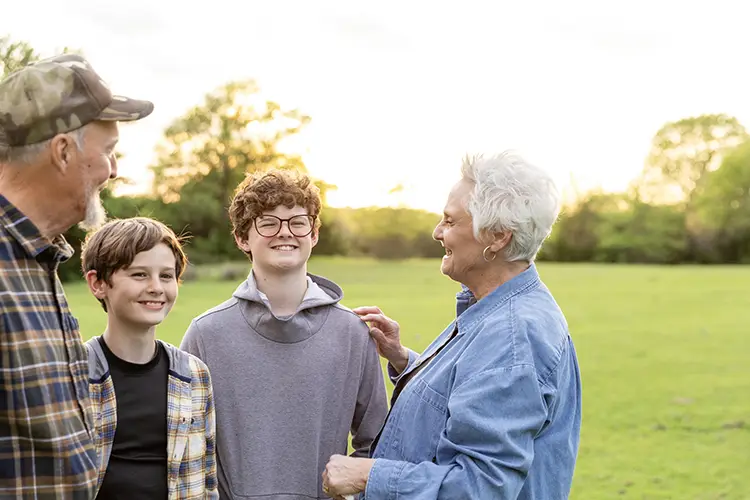
With his grandmother’s guidance and encouragement, Nick began to feel supported and more confident. She helped him with schoolwork, created daily routines and reminded him that his voice matters.
His grandfather also played an important role, teaching him practical skills such as cooking, yard work, fixing things around the house, as well as handling responsibilities that helped him build independence and confidence.
After completing the Intercept program, Nick continues to grow. He made the honor roll at school and is participating in clubs, like Future Farmers of America. He is learning his strengths and making better choices. His next step will be participating in Youth Villages’ LifeSet program, a bridge to adulthood for young people in Georgia who have experience in children’s mental health or child welfare systems.
His journey shows that with effective mental health interventions, love, stability and support, children can overcome difficult situations and truly thrive. It is also an example of how MATCH’s support for families of children with complex mental and behavioral needs is yielding positive outcomes.
Youth Villages’ expansion of Intercept services in Georgia and participation in MATCH support the state’s broader effort to make effective programs available to families. As the state continues strengthening coordination for children with complex behavioral health needs, community-based services remain critical to helping families stay together safely.
Share on Social