In Oregon, young people who experience foster care face steep barriers compared to their peers. Only 57% graduate from high school, and many age out of the system without family support. According to the Annie E. Casey Foundation, only one in 10 foster youth enrolls in college.
At 19, Ashley is moving forward with confidence as she shapes her future on her terms. She lives independently, is in her first semester at Fayetteville Technical Community College and works part time while preparing for a career in respiratory therapy and nursing.
No child dreams of being in foster care. A loving, stable family is the standard we all hope for. But not every child is born into ideal circumstances.
Youth involved in the child welfare system disproportionately face mental health challenges compared to those living with their parents. According to the National Conference of State Legislatures, 80% of youth in foster care experience a mental health challenge.
Unlike their peers, many young people who have foster care often lack basic financial literacy skills. While some of these skills are taught in school or other programs, many former foster youth missed out on learning skills such as budgeting, opening bank accounts or filing taxes.
Aidan is a student at North Carolina State University with a clear vision for his future. He’s balancing school, work and preparing for life after graduation. On the surface, it’s a typical college experience. But Aidan’s path to this point has been anything but typical.
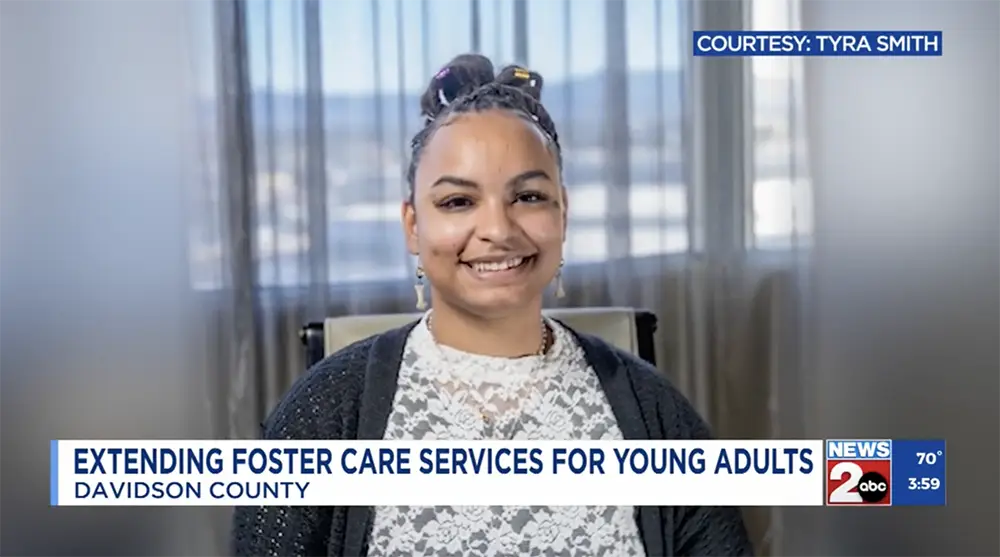
A Tennessee bill with bipartisan support could give more young adults who have aged out of the foster care system the safety net they need, longer. The bill, which comes from Gov. Bill Lee’s administration, would increase the qualifying age to receive benefits under the Extension of Foster Care program from 18 to 21 years old, to 18 to 23 years old.
Aaraya is a proud social worker and graduate of Western Carolina University. However, as a youth who experienced foster care, Aaraya’s journey was anything but easy. She endured hardships and struggles faced by many young people navigating the child welfare system.
May is National Foster Care Awareness Month—a time to recognize the resilience of children and youth in the foster care system and the individuals who support them. At Youth Villages, we understand the unique challenges these young people face.
Thousands of children experience out-of-home placements in North Carolina, and sometimes, finding a forever home isn’t an option before they age out of the system. Programs like LifeSet help young adults who experience foster care establish independence.