
Georgia
In 2009, Youth Villages merged with Inner Harbour, one of the state’s largest residential treatment centers located on 1,200 wooded acres just outside of Atlanta in Douglasville.
Programs
Provided to Georgia

Intercept®
Strengthening families to prevent or limit the need for foster care

Lifeset™
Helping young adults make a successful transition to adulthood

Residential treatment programs
Research-based therapy for serious emotional and behavioral
Our Results
- Overall satisfaction with Youth Villages: 93%
- Youth living at home or independently 1 year after discharge: 68%
- Youth in school, graduated or employed 1 year after discharge: 93%
- Youth reporting no trouble with the law 1 year after discharge: 87%
Figures represent data gathered in FY23-25 for all youth served for more than 60 days across all programs.
It was a year of record growth and innovation for Youth Villages.
Additional Resources
Georgia
Fact Sheet
6,038
youth served in Georgia
Help create lasting change in Georgia

Donate
Your one-time or continuing contribution goes directly to helping children and young adults get the chance they deserve.

VOLUNTEER
You can provide a direct, positive force in the lives of young people being treated through Youth Villages at our residential campuses and beyond.

Attend an event
Youth Villages events are a great way to support families in your local community and have a great time while you’re doing it.

Mentoring
You can become a powerful, positive force in the life of a child with emotional and behavioral problems.
stories of hope
Helping children and families live successfully
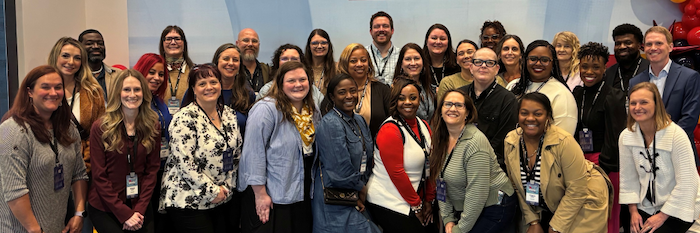
From one partner to a national network: Youth Villages marks a decade of system change through partnerships and collaboration
Ten years ago, a handful of Youth Villages staff — members of the new Strategic Partnerships department — boarded a flight from Memphis to Seattle to train employees at the Y Social Impact Center to deliver LifeSet, Youth Villages’ evidence-based program model supporting young people transitioning from foster care to adulthood.
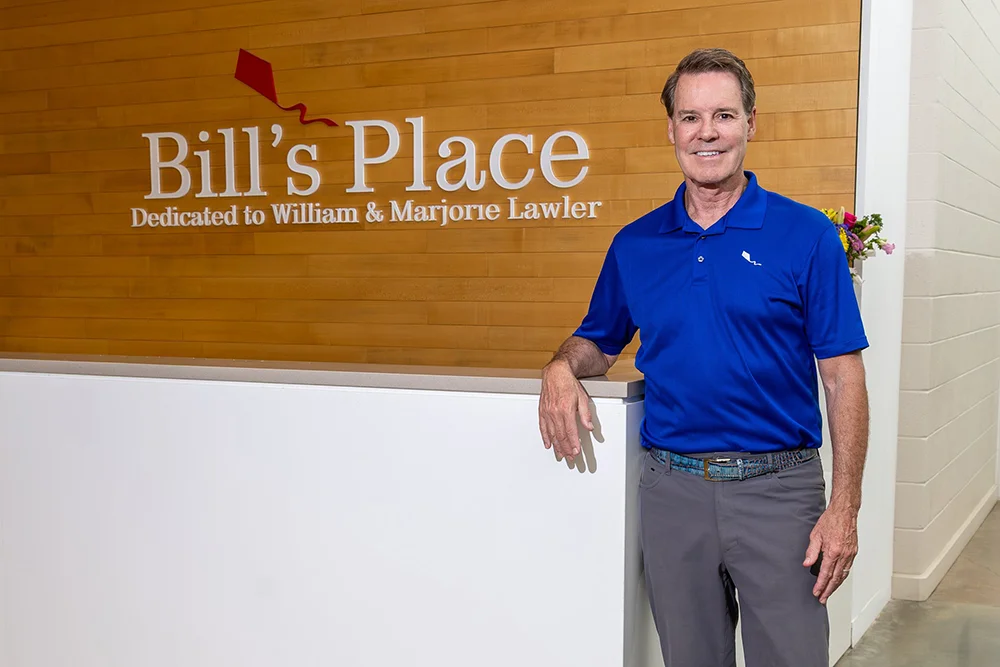
A Gentler Path
Memphis Magazine celebrates Youth Villages’ 40th anniversary, as CEO Patrick Lawler reflects on its evolution from a small residential program serving 88 children to a national organization impacting more than 50,000 young people each year.
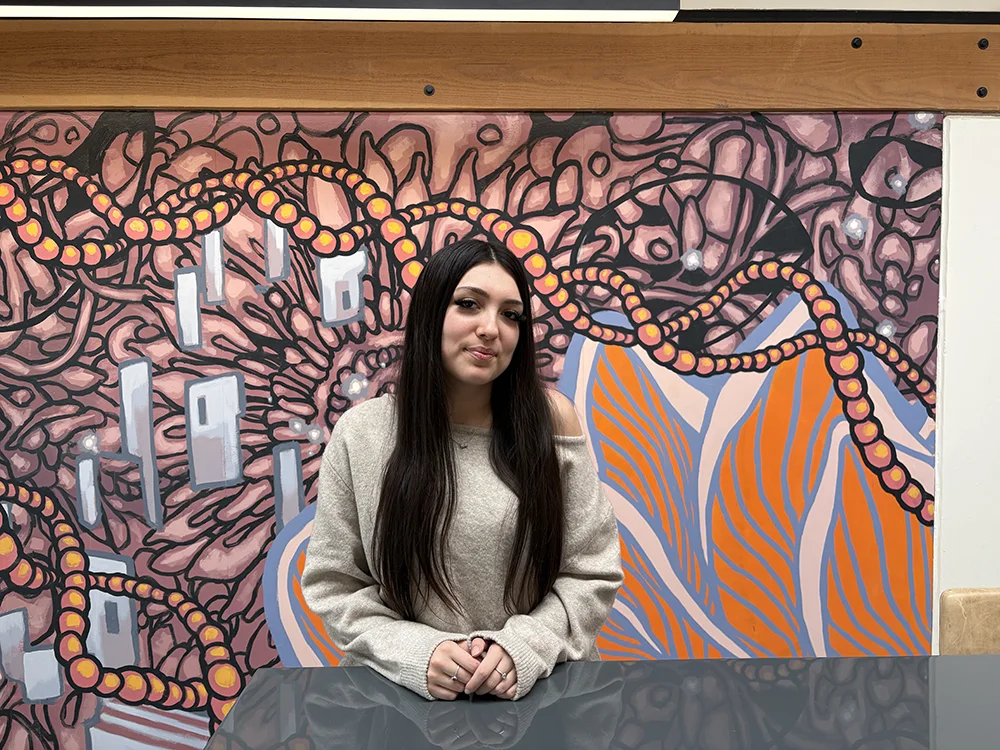
Anahi takes the path less chosen: Youth Villages Scholars initiative helps her pursue education
In Oregon, young people who experience foster care face steep barriers compared to their peers. Only 57% graduate from high school, and many age out of the system without family support. According to the Annie E. Casey Foundation, only one in 10 foster youth enrolls in college.
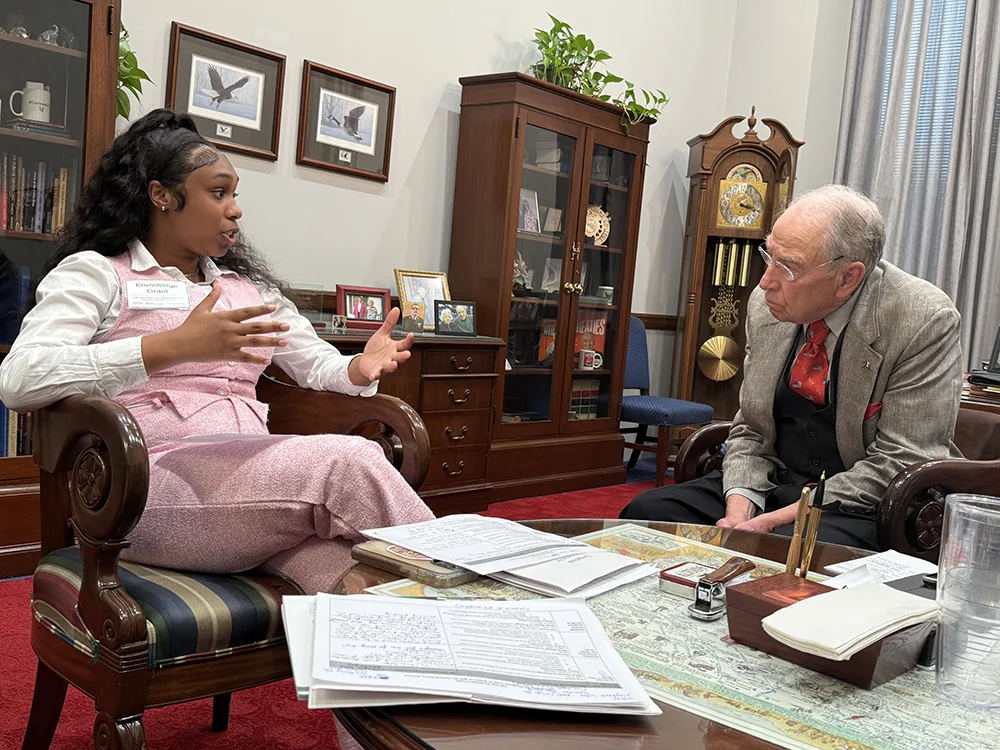
An impact-focused trip to Capitol Hill
When Natalie Clark asked a question about the availability of federal housing vouchers during a policy session at the Family-Focused Treatment Association’s 2026 Public Policy Institute in Washington, D.C., she wasn’t speaking as an observer.
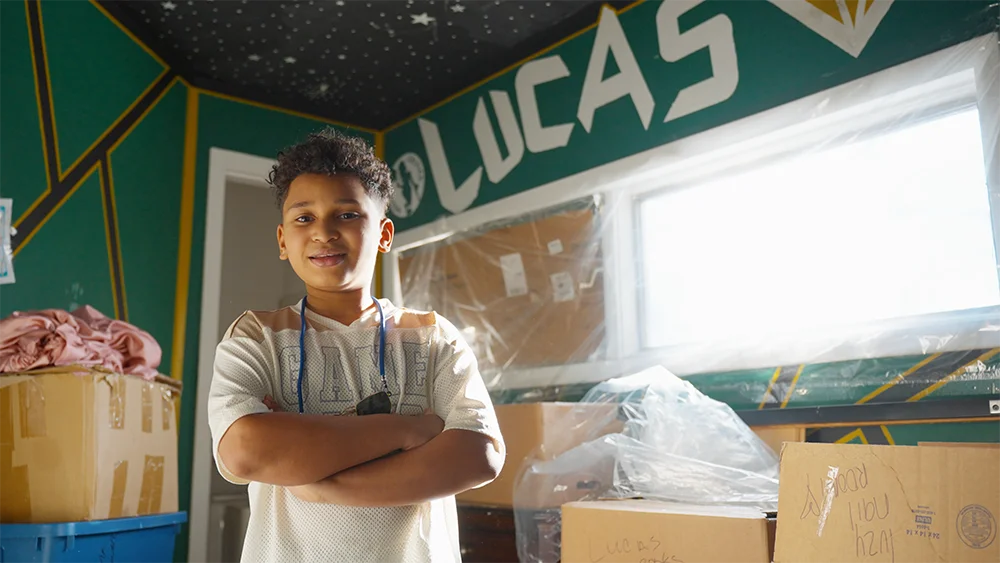
Lucas’ story: Finding hope again
When Lucas was younger, he dreamed of playing in the NFL or NBA. But when he was diagnosed with Becker muscular dystrophy, a rare genetic disorder that causes progressive muscle weakness in the legs, pelvis and heart, those dreams suddenly felt out of reach. As his physical abilities changed, so did his outlook on life. At just 8 years old, Lucas struggled with overwhelming feelings of sadness, isolation and worthlessness.

Keeping the door to extended foster care open
Extended foster care cannot help a young person who never learns it exists.
Among surveyed young people who did not participate, 44% said they were unaware of EFC or had not been told about it. At the same time, all 30 state and county child welfare professionals surveyed said caseworkers promote the program.
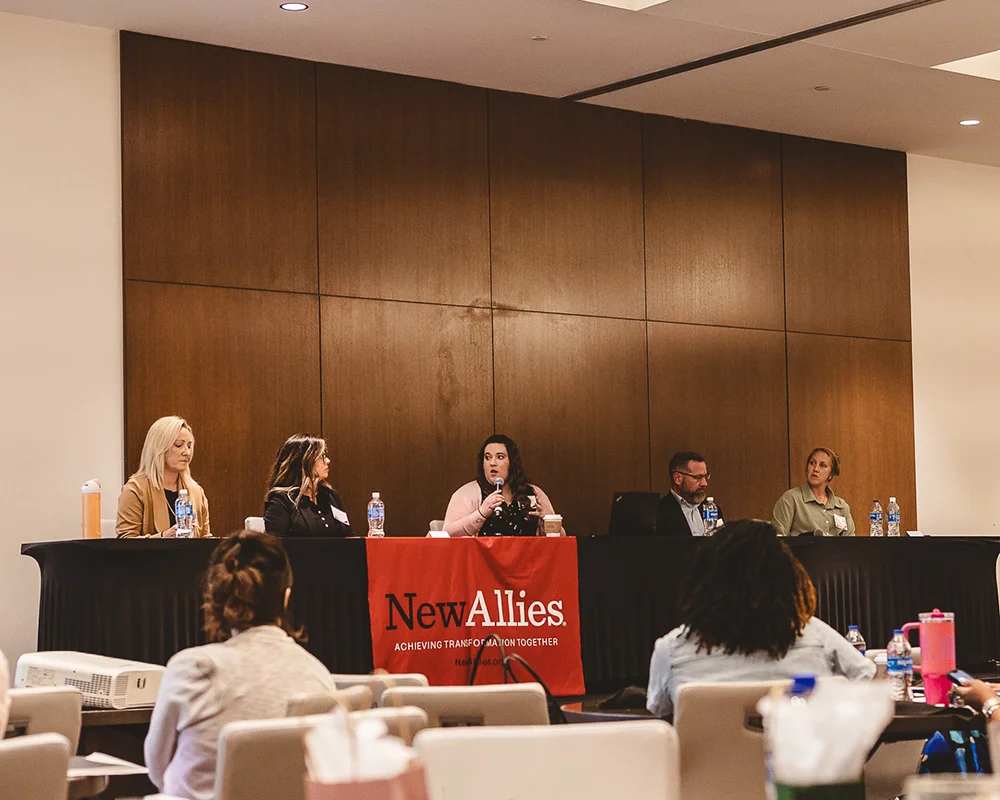
Mississippi youth courts put prevention into practice
By the time a family appears in youth court, a judge is already weighing decisions about safety, placement and what happens next.
But identifying what a family needs is only one part of the job. That help must exist, the family must be able to reach it and the court, agency and provider must understand who is responsible for the next step.

With big dreams and people in her corner, Youth Villages Scholar ZiZi is ready to face the future
Throughout her life, ZiZi has had to learn to stand up for herself. With the help of her LifeSet specialist, she now has people in her corner.
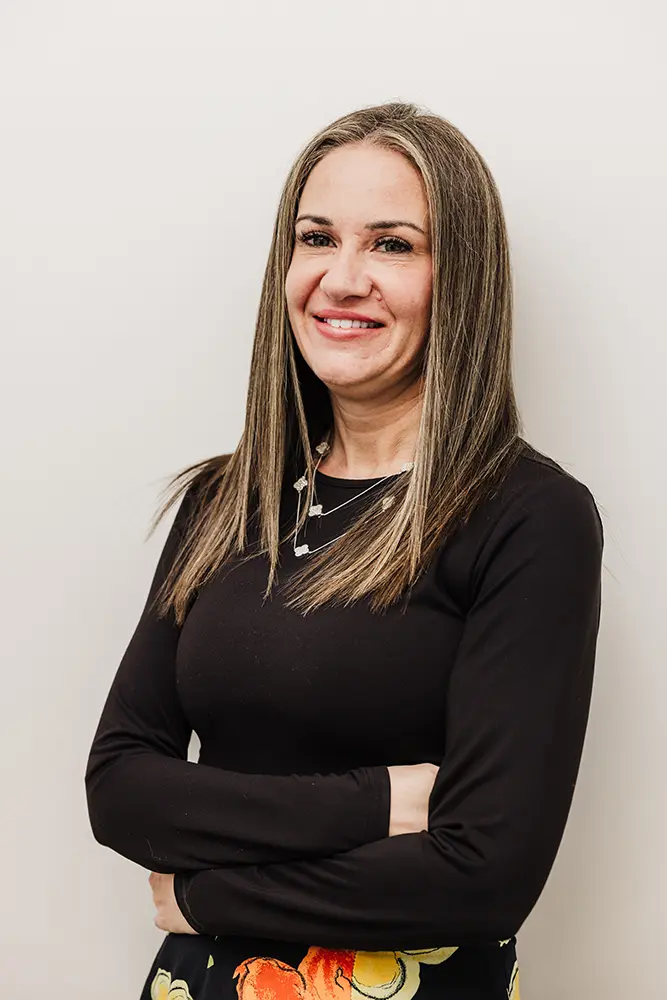
Mentor spotlight: Empowering young adults through experience and advocacy
The Youth Villages Job Prep program equips young adults with the skills, confidence and professional guidance they need to successfully enter the workforce and achieve greater independence. Career mentors play an important role by leading workshops, sharing career insights, practicing interview skills and serving as encouraging, consistent role models as participants prepare for employment and adulthood.
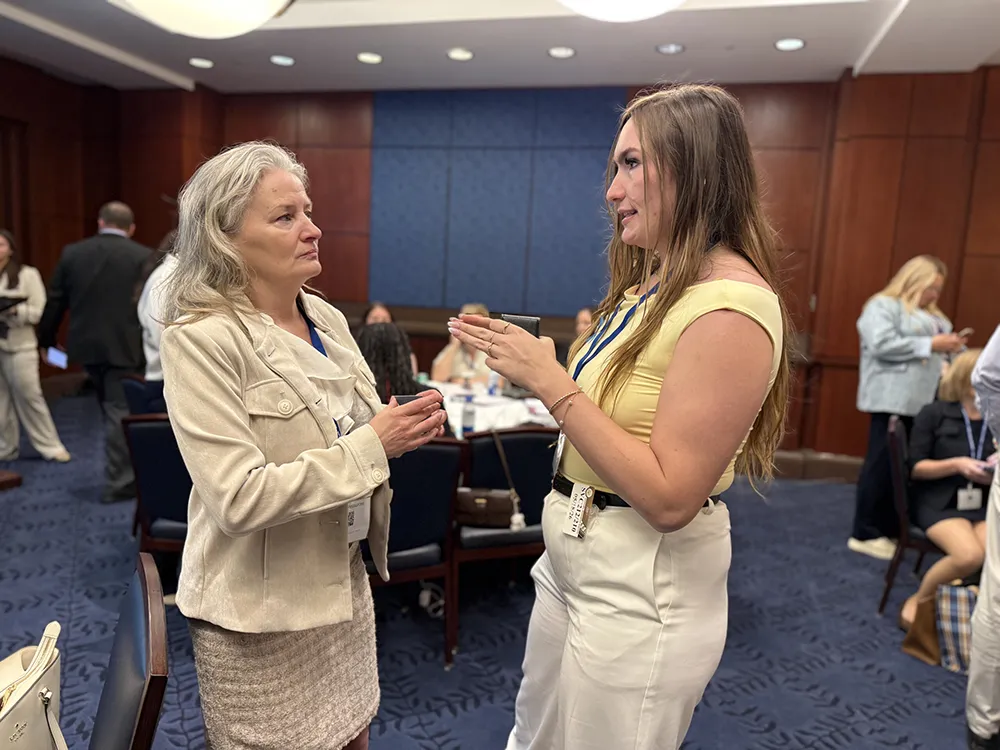
Young adults from the National Collaborative for Transition-Age Youth participate in FFTA 2026 Public Policy Institute in Washington, D.C.
Members of the National Collaborative for Transition-Age Youth with lived experience in foster care participated in the Family Focused Treatment Association’s Public Policy Institute during their week of advocacy in Washington, D.C.


Local Leadership
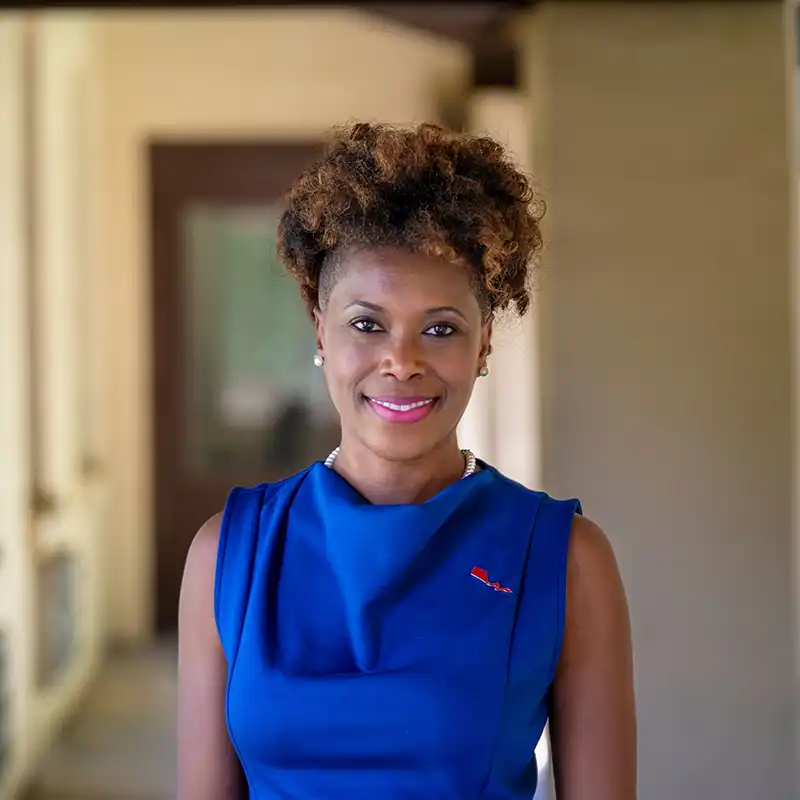
Tanya Anderson
Executive Director, Georgia
As executive director of Georgia, Tanya Anderson is responsible for all of the residential programs that Youth Villages operates in the state. Previously, she served as director of the Inner Harbour Campus in Douglasville, Georgia.
A licensed professional counselor, Anderson holds a master’s degree in psychology from Mississippi College and a bachelor’s degree in psychology from the University of Southern Mississippi. The Jackson, Mississippi native resides with her husband and daughter in Douglasville, Georgia.
Caroline Hannah
Executive Director - Community Based Programs
Brittany Davis
Assistant Director, Georgia Residential Services
Matt Jarrard
Director of Development Georgia
Jernica McNeil
Assistant Director, Georgia Residential Services
Heather Savage
Assistant Director, Georgia Residential Services
Alisha Shaw
Director, Georgia Residential Services
Nicole Studstill
Assistant Director, Georgia Residential Services
Jameta Wheeler
State Director, Community-Based Programs
Local Board
Paul Zachos
Board Chair
Keller Williams Realty
Amy Baillie
Director, Marketing and Business Development
DeNyse Companies
Don Crampton
Pastor
Galilee Baptist Church
James Harper
Senior Pastor
First Presbyterian Church of Douglasville
Bruce Hein
Sales & Business Development
Fufeng Group
Brian Holloway
Valuations Principal
Frasier and Deeter
Lauren Hunter
Community Advocate
Nicole Langley
SVP, Director of Contract Management
Truist Bank
Dara D. Mann
Partner
Squire Patton Boggs (US) LLP
Robert Rearden
Partner
Maynard Nexsen PC
Matt Tarkenton
Executive Vice President
The Tarkenton Companies
LOCATIONS
INNER HARBOUR
RESIDENTIAL CAMPUS
4685 Dorsett Shoals Road
Douglasville, GA 30135
Directions
Contact
Phone: 770-852-6300
Fax: 770-852-6301
Atlanta
2200 Century Parkway
Suite 200
Atlanta, GA 30345
Directions
Contact
Phone: 470-498-5600
Fax: 470-498-5601